Building a Memorable Jamaican Food Centennial Menu
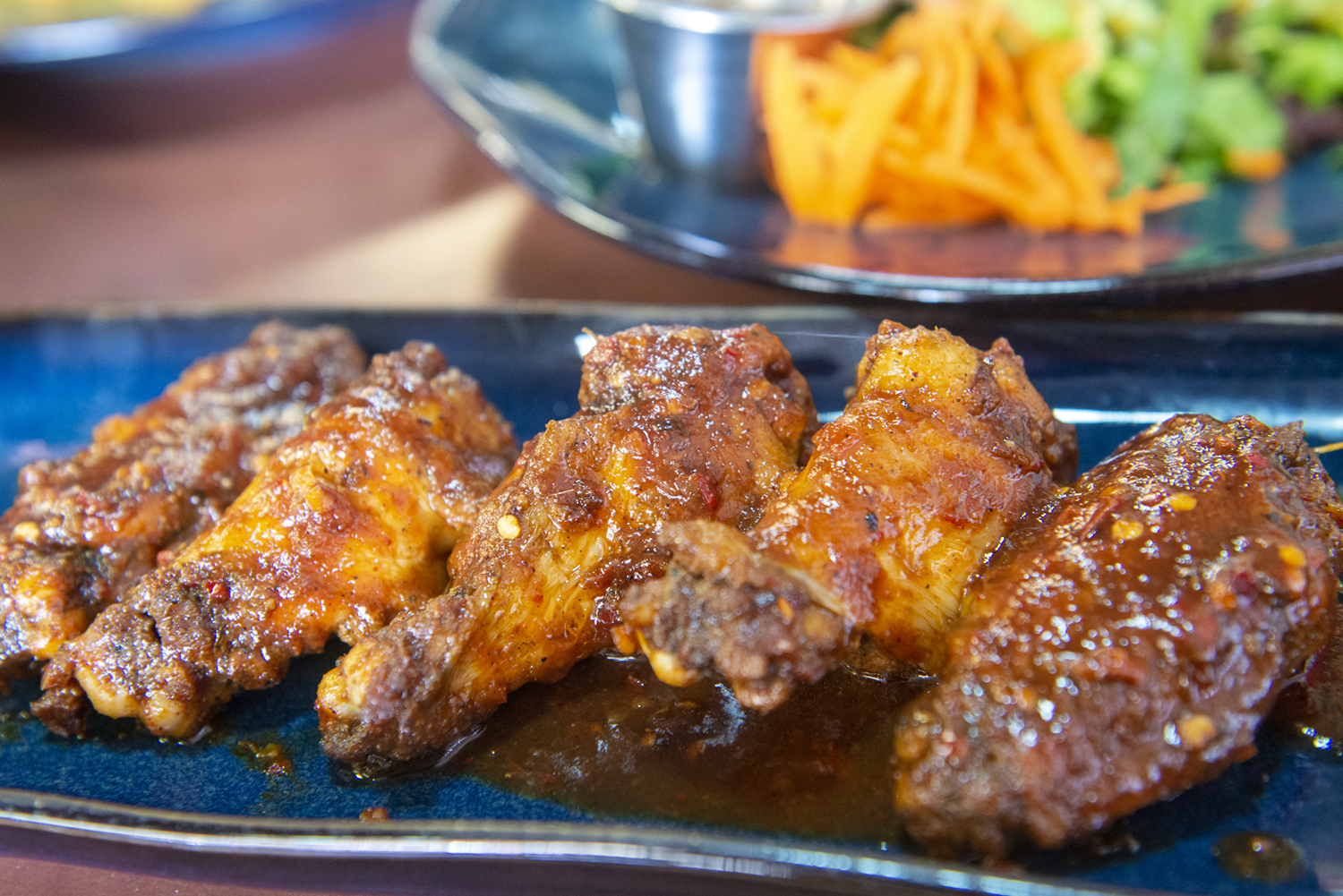
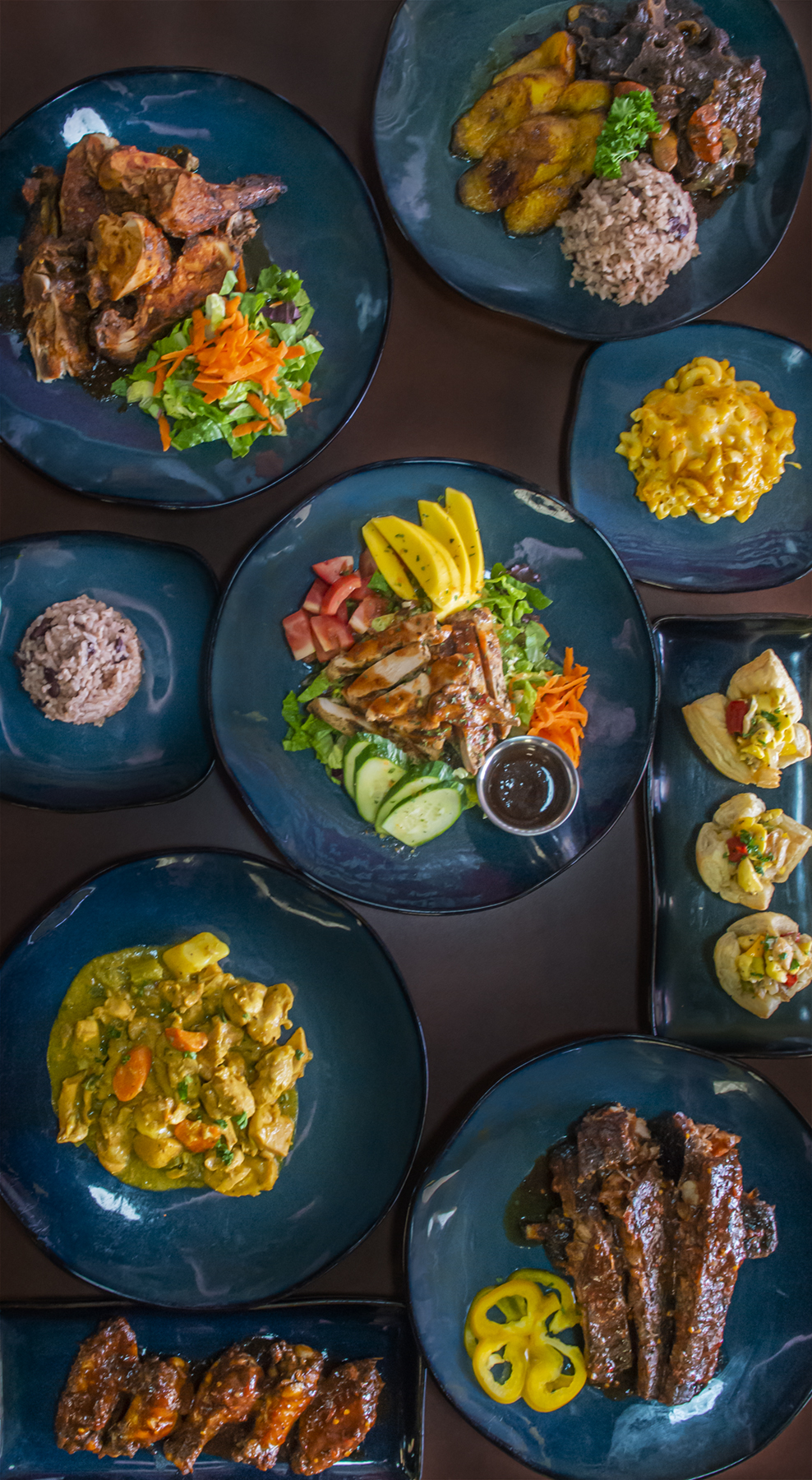
A centennial menu carries more pressure than an ordinary event menu. It has to feed people well, of course, but it also has to tell a story that feels worthy of a hundred-year milestone. When the brief includes Jamaican food, the task becomes even more layered. Guests tend to arrive with strong expectations, and rightly so. Jamaican cooking is expressive, deeply regional, grounded in family methods, and packed with dishes that people associate with memory, celebration, migration, church halls, weddings, roadside stops, and Sunday dinners.
That is why a strong Jamaican food centennial menu cannot rely on a string of recognizable dish names alone. It needs shape. It needs pace. It should honor heritage without becoming heavy-handed or overly formal. It should also be practical enough to serve at scale, because many centennial events involve a broad guest list, mixed age ranges, and service conditions that are less forgiving than a restaurant dining room.
The best versions of these menus succeed because they understand one simple truth. People remember how the food made the room feel. They remember aroma before speeches, the moment patties hit the tray, the color of escovitch vegetables against a white plate, the comfort of rice and peas done properly, and the way a dessert table can quietly pull generations into conversation. A memorable menu is built from those moments.
Start with the occasion, not the dish list
The first question is not whether to serve jerk chicken or curry goat. Those dishes matter, but they come later. The first question is what the centennial is actually commemorating.
A school centennial calls for different food choices than a church centennial, a company centennial, or a parish heritage celebration. A formal gala may need plated elegance and controlled portions. A daytime community event can support larger-format pans, buffet flow, and more nostalgic comfort dishes. An intergenerational gathering may need both familiar staples and gentler spice management. If many guests are traveling in from abroad, the menu often does double duty, serving both as hospitality and cultural statement.
I have seen organizers jump straight into favorite dishes and only later realize the menu fights the event. One centennial banquet I worked around had a beautiful lineup on paper, but nearly every main item was dark, rich, slow-braised, and starch-heavy. Delicious food, yes, but the event was scheduled for early afternoon in a warm venue with a long awards program. By the second hour, the menu felt weighty, service had slowed, and guests were less engaged than they should have been. The problem was not the quality of the cooking. It was sequencing and fit.
A stronger approach begins with three practical considerations: who is attending, how the food will be served, and what emotional tone the event is aiming for. Pride, nostalgia, festivity, elegance, and abundance each call for slightly different menu architecture.
What makes a Jamaican centennial menu feel authentic
Authenticity in Jamaican cooking is often discussed as if it depends on strict replication, but in event work, authenticity is usually more about judgment. It shows up in seasoning choices, cooking technique, texture, proportion, and restraint. A menu feels authentic when the dishes taste like themselves. That sounds obvious, but it is where many celebratory menus go wrong.
Jerk should carry smoke, spice, and depth, not just heat. Rice and peas should be fragrant and distinct, not a generic side dish with beans stirred in at the end. Fried plantain needs proper caramelization. Festival should be light enough to invite a second piece. Escovitch should bring brightness and structure rather than collapse into sogginess under hot holding conditions.
Authenticity also means respecting the social role of the dishes. Certain foods are festive. Certain foods are everyday. Certain foods carry a church function energy, while others belong to street-side eating or family gatherings. There is room to blend those categories, but the choices should be intentional. A centennial event is one of the few occasions where you can place high-comfort foods beside more polished presentations and have it feel completely natural, if the balance is right.
The phrase jamaican food centennial can sound niche on paper, but in practice it creates a useful design frame. It asks the menu to be more than Caribbean-inspired catering. It asks for culinary memory with event discipline.
Build the menu around a few anchor dishes
The most successful celebratory menus usually have two or three anchor dishes that carry the emotional and visual weight of the meal. Everything else should support them. This avoids the common mistake of trying to represent the entire island in one service.
For a large-format dinner, jerk chicken is often one of the anchors because it brings instant recognition, aroma, and broad appeal. It also performs reasonably well in volume if handled carefully, especially when the kitchen can separate charring, slicing, and holding rather than letting pieces steam into softness. Curry goat is another strong anchor, particularly for formal family-centered events, but it is best used when the budget supports it and the kitchen has enough time for proper braising and flavor development. If goat is not feasible at scale, a well-made brown stew chicken can bring similar warmth and familiarity while remaining easier to control.
Seafood can be powerful on a centennial menu, but it needs caution. Escovitch fish is iconic, yet whole fish service at a large event can create bottlenecks, waste, and guest hesitation. In some settings, a boneless fish presentation with escovitch vegetables or a well-executed rundown-style preparation will preserve flavor logic while making service cleaner. The trade-off is that you lose some of the dramatic effect and traditional visual identity. Whether that trade is acceptable depends on the event.
Vegetarian anchors deserve the same seriousness as meat dishes. Callaloo, curried chickpeas, stewed butter beans, roasted breadfruit, and pumpkin-based preparations can move from side roles to central roles if they are seasoned decisively and plated with confidence. Too many event menus treat vegetarian offerings as afterthoughts, which immediately creates a second-tier experience for a noticeable portion of the room.
Let the side dishes do real work
In Jamaican cooking, side dishes are not filler. They control rhythm, absorb sauces, lighten richness, and make the plate feel complete. For a centennial menu, they also help bridge guest preferences across generations.
Rice and peas remains the most dependable starch for a celebratory spread because it offers familiarity and aroma while pairing with almost every main. Yet it should not be the only starch by default. Depending on the format, roasted sweet potato, bammy, fried dumpling, festival, or mashed green banana can add texture and personality. The key is not to overload the plate with starch-on-starch combinations that slow guests down and flatten contrast.
Freshness matters here. Jamaican menus at large events can drift too far into the brown and beige spectrum if no one actively builds color into the plan. A sharp slaw, a cucumber-based salad with restrained sweetness, a bright escovitch garnish, or simply well-finished steamed vegetables can give the eye a resting point and help the richer dishes land better.
This is especially important for evening banquets where speeches run long. Guests may not consciously analyze why a menu worked, but they will feel the difference between a plate that keeps waking up the palate and one that tires it after a few bites.
A practical way to shape the flow
Once the anchors and sides are chosen, the next job is flow. The menu should unfold in a way that reflects how people actually eat at celebratory gatherings.
- Open with one or two highly aromatic, easy-to-grab items that immediately signal place, such as mini patties, soup shots, or small portions of saltfish fritters.
- Follow with mains that balance smoke, gravy, and brightness rather than clustering similar textures together.
- Keep at least one side dish neutral enough to support stronger proteins and one side dish lively enough to cut through richness.
- Save the sweetest, heaviest notes for the dessert phase instead of front-loading the meal with too many fried items.
- End with something that feels generous but not sleepy, especially if dancing, speeches, or networking follow.
That may sound straightforward, but this is where menus become memorable rather than merely ample. The guest experience depends on pacing as much as recipe quality.
Choosing starters that set the tone
Starters are often treated as a hospitality footnote, but at a centennial event they do valuable work. They absorb arrival-time hunger, help guests settle in, and create the first sensory cue that this is a Jamaican celebration, not a generic catered function with a theme attached.
Patties are an obvious option and still one of the best, but only if they are handled with care. Small format patties stay crisp more easily and allow guests to mingle without committing to a full pastry. Beef is the familiar baseline, yet adding one vegetable option and perhaps a curried chicken version broadens the welcome without complicating service too much.
Fritters can be excellent, especially if the event needs passed hors d'oeuvres. Saltfish fritters, when they are light and not jamaican food centennial overmixed, disappear quickly. The trouble is that fritters can suffer fast under holding lamps. If the kitchen cannot fry in tight batches, a baked or griddled small bite may actually produce a better result. That kind of decision matters more than theoretical authenticity. Guests remember quality first.
Soup can also be surprisingly effective, particularly for centennials held in the evening or during rainy months. A small serving of pumpkin soup or red peas soup can create warmth and gravity. Still, this works best in structured receptions rather than free-flowing cocktail settings.
Main course pairings that make sense together
A strong main course should feel abundant without reading as chaotic. For most large centennial gatherings, two proteins and three to four supporting components are plenty. More than that, and the line slows, the plates look crowded, and guests lose the ability to taste each item clearly.
One dependable combination is jerk chicken paired with a braised dish such as curry goat or brown stew chicken. The contrast works because jerk brings dry heat and char, while the braised dish contributes moisture and depth. Rice and peas anchors jamaican food centennial both. Add plantain and one bright vegetable component, and the plate is coherent.
Another effective path is to build around seafood and vegetable dishes for a lighter formal event. A fish course with escovitch elements, callaloo, roasted sweet potato, and coconut rice can feel elegant without becoming precious. This suits venues where guests are seated longer and where the event wants refinement rather than buffet-style abundance.
For daytime centennials, especially school and church celebrations, comfort tends to win. Stewed chicken, rice and peas, macaroni pie, steamed cabbage, and plantain will not surprise anyone, but that is not a weakness. Familiarity can be exactly right if execution is excellent. The trick is to avoid making everything soft. You want one crisp edge, one fresh note, one sauced component, and one stable starch.
The dessert table is where memory gets personal
Dessert at a Jamaican celebration often does more emotional work than the main course. People compare versions, mention who used to make it at home, and go back for a second taste even after insisting they are full. For a centennial, that is useful. Dessert can become the bridge between official program and informal remembering.
Rum cake is the obvious centerpiece, but it does not need to stand alone. Sweet potato pudding has real presence and can be excellent at room temperature. Gizzada offers texture and visual contrast. Coconut drops, grater cake, toto, and banana bread all carry nostalgic power, though they suit different levels of formality.
The biggest mistake with dessert is excess sweetness without variation. If every item leans dense, sticky, and richly spiced, the table starts to feel one-note. Fruit helps. So does portion discipline. Smaller pieces invite sampling and conversation. Full bakery-style wedges often create waste.
If the event is formally marking one hundred years, a ceremonial cake can coexist with more traditional sweets, but it should not overshadow them. Too often, the celebration cake is visually impressive yet disconnected from the culinary identity of the meal. A better move is to tie flavors together, perhaps with rum, coconut, citrus, or spice in some part of the cake program.
Drinks deserve the same level of thought
Beverages can quietly strengthen or weaken the whole menu. A serious Jamaican food centennial event should not treat drinks as an afterthought.
Sorrel is a natural fit for evening celebrations and year-end timing, though many people now enjoy it year-round. Ginger beer, done with a real bite and not excessive sweetness, is another strong choice. Fruit punch has nostalgic range, but it can skew childish if presented without balance. Limeade, soursop juice, and pineapple-based drinks all have their place depending on the rest of the menu.
Alcohol service, if offered, should be tightly aligned with the food. Rum cocktails make sense, but not every event benefits from sweet tropical builds. Sometimes a simple rum punch, a crisp beer option, and a modest wine selection are enough. If the room is older, more formal, or speech-heavy, restraint often improves service flow and guest comfort.
Coffee service at the end is worth more attention than it usually gets. With Jamaican desserts, a good coffee station can keep guests at the table longer and soften the transition from meal to tribute program.
Accounting for scale, budget, and kitchen reality
There is the menu you would love to serve, and then there is the menu the venue can execute beautifully. Professional judgment lives in that gap.
Certain dishes scale elegantly. Others become fragile the moment you move from twenty servings to two hundred. Jerk can hold if sliced and managed properly. Braises generally scale well. Fried fish does not always. Delicate garnishes wilt. Crisp pastry softens. Coconut-heavy sauces can break if they sit too long. These are not reasons to abandon beloved dishes. They are reasons to adapt presentation and service style to protect quality.
Budget has to be part of the conversation early. Goat, seafood, imported specialty items, and labor-intensive snacks can move the cost sharply. Sometimes the better decision is not to cut a premium item entirely, but to feature it in a smaller ceremonial role. A chef-carved jerk station or a modest curry goat feature beside a stronger chicken program can preserve prestige without destabilizing the budget.
This is also where local sourcing matters. If you have access to cooks who understand seasoning from the inside rather than through a recipe sheet, invest there first. Technique and palate usually matter more than decorative extras. A simpler menu cooked by the right hands will outperform an ambitious menu handled without fluency.
Dietary needs without losing character
Modern event planning requires flexibility around dietary restrictions, and that can worry hosts who fear the menu will lose its identity. It does not have to.
Vegetarian and vegan guests can be served thoughtfully within Jamaican flavor logic. Callaloo with coconut, curried vegetables, roasted breadfruit, stewed beans, pumpkin rice, and peppered plant-based mains can all feel substantial if they are treated as proper dishes rather than substitutions. Gluten-free guests often have viable paths through naturally suitable items, though dumplings, patties, and some desserts require clear labeling and separate handling. Spice sensitivity is usually easier to manage through condiments and garnish control than by flattening the entire menu.
A practical service note helps here.
- Label core allergens and dietary categories clearly at the point of service.
- Keep one vegetarian main that is satisfying enough for non-vegetarians to choose willingly.
- Offer pepper sauces and extra heat on the side rather than over-spicing every batch.
- Train servers to describe dishes accurately, especially where coconut, shellfish, or wheat may be present.
- Protect special meals from cross-contact long before service begins.
These details may seem operational, but they affect whether guests feel welcomed or merely accommodated.
Presentation should honor the food, not stage a caricature
There is a temptation with heritage menus to decorate too literally. Miniature flags, overworked tropical centerpieces, and gimmicky plating can pull attention away from the food itself. Jamaican cuisine already has visual strength. The deep mahogany of jerk, the orange of carrot ribbons in escovitch, the golden edge of plantain, the green of callaloo, the shine of a good gravy, all of that does enough.
For a centennial event, presentation should feel polished, generous, and culturally grounded. Serving vessels matter. Chafers are practical, but they can flatten personality if every item looks identical under silver lids. Where possible, vary height, garnish with restraint, and keep serving surfaces clean. If the event is plated, leave enough space for each element to register. Crowded plates often signal anxiety rather than abundance.
Printed menus can also add meaning when used well. A short line explaining why a particular dish was chosen, perhaps tied to region, tradition, or the institution’s history, gives guests another layer of connection without turning dinner into a lecture.
When nostalgia and refinement meet
The strongest centennial menus usually sit in the space between nostalgia and refinement. Too casual, and the meal may not feel commensurate with a hundred-year milestone. Too formal, and it may stop feeling Jamaican in the way guests hoped for.
That balance is less about luxury ingredients than about care. It is the difference between serving macaroni pie because it is expected, and serving a version with proper structure, seasoning, and a clean slice. It is the difference between a jerk sauce drizzled carelessly over everything and a measured presentation that lets the char remain visible. It is the difference between a dessert table that looks improvised and one that feels like a curated memory.
I have seen guests forgive modest venues and simple floral budgets because the menu spoke clearly and warmly. I have also seen beautiful rooms fail to leave an impression because the food was generic, timid, or disconnected from the event’s purpose. A centennial celebration asks the menu to carry institutional memory, family memory, and cultural memory at the same time. That is a tall order, but it is also what makes the work satisfying.
If you are building a Jamaican food centennial menu, aim for clarity over excess. Choose dishes with meaning. Respect how they should taste. Make room for aroma, contrast, and hospitality. Give guests something recognizable, something beautifully executed, and something they will talk about on the drive home. That is usually the point where a commemorative meal stops being event catering and becomes part of the celebration itself.
Reggae Pot Jamaican Grill
Address: 7562 S University Blvd C, Centennial, CO 80122
Phone number: +13039975623
FAQ About Jamaican Food Centennial
What is typical Jamaican food?
Typical Jamaican food features bold, vibrant flavors created by blending African, Taino, European, and Asian influences.
What is a famous Jamaican dish?
The most famous Jamaican dish is Ackee and Saltfish, which is the national dish of Jamaica.
What are the top 10 foods to eat in Jamaica?
AI Overview The top 10 traditional foods to eat in Jamaica are bold, flavorful dishes that mix local ingredients with global influences.