Caribbean Food Centennial: Iconic Foods and Their Origins

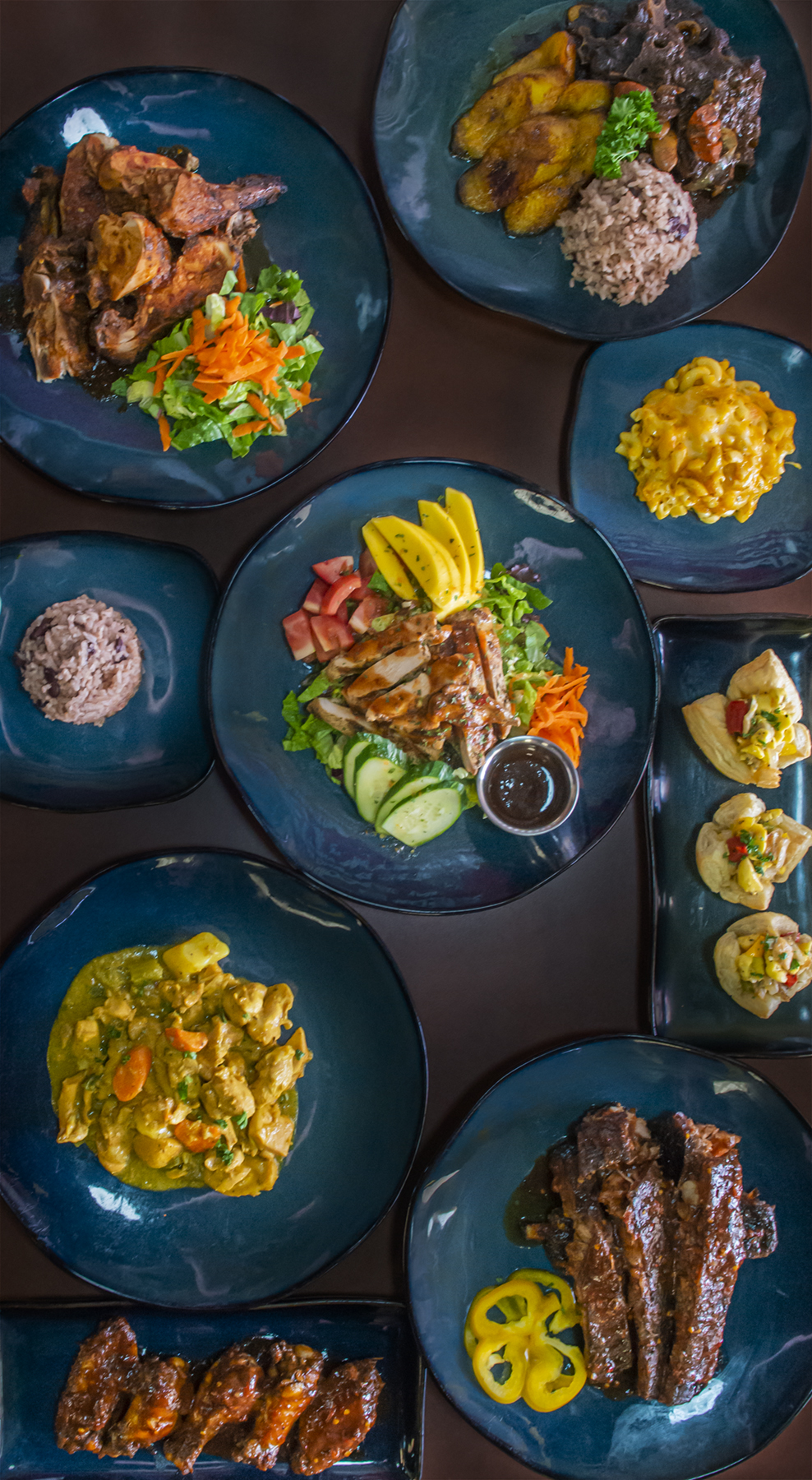
The Caribbean is often described as a crossroads, but that phrase can sound tidy in a region shaped by conquest, forced migration, resistance, indentureship, trade, and improvisation. Its food tells the story more honestly. On one table, you can find Indigenous cassava techniques, West African seasoning logic, Indian flatbreads, European salt cod, Chinese stir-fry habits, and local fruits that never left the islands. The result is not a neat fusion. It is a living cuisine, sometimes celebratory, sometimes born from scarcity, always deeply local.
A useful way to think about a Caribbean food centennial is to look not for dishes frozen in time, but for foods that have held their place across the last hundred years while still changing in kitchens, street stalls, and family yards. Some of these foods are now treated as national symbols. Others are everyday staples that reveal more about the region than any banquet menu ever could. Their origins are rarely singular. Most iconic Caribbean foods are products of encounter, adaptation, and survival.
What follows is not a ranking of the region’s greatest dishes. That would be impossible, and frankly unfair. Instead, this is a closer look at some of the foods that have come to define Caribbean cooking, and the histories that sit inside them.
A region built from many kitchens
Before getting to specific dishes, it helps to understand why Caribbean food resists simple origin stories. Indigenous peoples, including Taíno, Kalinago, and Lokono communities, cultivated cassava, maize, peppers, sweet potatoes, and other crops long before Europeans arrived. Cassava in particular remains foundational. The techniques used to grate, press, and cook it into breads and other forms survive in several territories, especially in places like Dominica, St. Vincent, and Guyana.
Then came the Atlantic slave trade, which brought millions of Africans and remade the region through brutality. Along with people came memory, agricultural knowledge, seasoning traditions, and preferences for ingredients that could be adapted to local conditions. Okra, yams, pigeon peas, and methods of stewing, pounding, smoking, and one-pot cooking all bear strong African influence.
European colonialism layered in wheat flour, salt cod, pork products, sugar economies, plantation structures, and new systems of class and labor. After emancipation, indentured laborers from India arrived in colonies such as Trinidad, Guyana, and Jamaica, bringing rotis, curries, cumin, geera, split peas, and habits of street eating that permanently reshaped local food. Chinese and Portuguese migrants added their own imprint, especially in urban food culture.
That is why the origins of Caribbean dishes often sound like braided histories rather than straight lines. A plate can be local and diasporic at the same time.
Jerk, a method born from necessity and skill
No discussion of iconic Caribbean caribbean food centennial food can begin anywhere but Jamaica’s jerk. It is one of the most globally recognized foods of the region, and one of the most misunderstood. Outside the Caribbean, jerk is often reduced to a bottled sauce or a vague promise of heat. In Jamaica, it is a method, a flavor system, and a historical inheritance.
The roots of jerk reach back to the island’s Indigenous peoples, particularly in the use of pimento wood and slow smoking techniques, and to the Maroons, communities formed by Africans who escaped enslavement and established settlements in Jamaica’s interior. Cooking meat slowly over pimento wood, heavily seasoned and sometimes buried or hidden from sight, was practical as much as flavorful. Smoke preserved. Spice masked scent. Technique was tied to survival.
The seasoning profile most people recognize today usually includes allspice, Scotch bonnet peppers, scallion, thyme, garlic, ginger, and salt, with variations depending on the cook. Some add nutmeg or cinnamon. Others lean into soy sauce or browning in more modern versions. Traditional jerk pits still matter because the wood contributes a sweet, resinous aroma that no oven can fully imitate.
Pork is the classic benchmark, especially in Boston Bay, but chicken became more widespread over the 20th century as it proved cheaper, faster to cook, and easier to scale for roadside vendors. That shift says a lot about how iconic foods survive. They adapt to economics without surrendering their identity.
Anyone who has eaten jerk in different parts of Jamaica knows there is no single official version. Some cooks go wet and deeply marinated. Others use a drier paste. Some prioritize fire. Others chase balance, where the allspice blooms first and the pepper lands late. The dish’s endurance over the last century comes from that flexibility. Jerk remains rooted in history while still making room for commercial grills, pan chicken, and neighborhood secrets.
Ackee and saltfish, a national dish with transatlantic roots
Ackee and saltfish is so central to Jamaica’s culinary identity that many people assume both ingredients are native. Only one has a claim to belonging, and even that story is complicated.
Ackee originated in West Africa and arrived in Jamaica during the colonial period, likely on slave ships or through botanical transfer in the 18th century. The fruit adapted well to the island and eventually became a standard part of the Jamaican diet. Saltfish, usually salted cod, came by another route. It was part of Atlantic trade networks, preserved for long journeys and commonly used as cheap food for enslaved populations because it stored well.
What emerged from those painful systems is now one of the most beloved breakfasts in the Caribbean. Properly prepared ackee has a buttery texture that invites comparison to scrambled eggs, though the flavor is more delicate than that shortcut suggests. Saltfish brings salinity and chew. Onion, tomato, sweet pepper, scallion, thyme, and Scotch bonnet tie the dish to the Jamaican pot.
There is a practical intelligence to this pairing. Salt cod is shelf-stable. Ackee, when ripe and carefully cleaned, is rich and substantial. Together they make sense nutritionally and economically. They also illustrate a recurring pattern in Caribbean cooking, where imported preserved foods were transformed through local produce and local technique into something that no longer feels borrowed.
Ackee also comes with a warning that serious cooks respect. Unripe ackee is toxic. It must open naturally before it is safe to clean and boil. That knowledge has long been part of Jamaican domestic life, passed down with the same seriousness as a family recipe. It is one reason the dish still carries a sense of home. You do not stumble into making it well.
Rice and peas, Sunday discipline in a pot
Across the English-speaking Caribbean, rice and peas sits at the center of countless Sunday meals. The exact formula changes by island and household. In Jamaica, the “peas” are often kidney beans or gungo peas, depending on the season. In other territories, pigeon peas, black-eyed peas, or red beans may take the lead. Coconut milk is common, but not universal. So are thyme, scallion, garlic, Scotch bonnet, and allspice.
What matters is the architecture of the dish. This is not plain rice with legumes scattered in. Good rice and peas is cooked so the grains absorb the stock, the coconut, and the aromatics together. The beans season the rice while the rice carries the bean liquor. It is a single idea, not a side assembled at the end.
Its origins are mixed, but the African influence is unmistakable. Rice cookery, one-pot meals, and legume pairings traveled powerfully through the African diaspora. Local caribbean food centennial adaptation then did the rest. Coconut, a Caribbean constant, deepened the pot. Colonial economies helped determine which beans were available and affordable. By the 20th century, rice and peas had become not merely common but ceremonial, especially paired with chicken, beef, or fish on Sundays and holidays.
There is a quality test that experienced cooks know well. The rice should be separate, not mushy. The peas should keep their shape. The coconut should register without making the pot taste sweet. And the Scotch bonnet, if left whole in the pot, should perfume rather than dominate. That kind of judgment rarely appears in recipes, yet it is exactly how these dishes are preserved over generations.
Roti in the Caribbean, migration folded into bread
If you want to understand how migration changes a region permanently, look at roti in Trinidad and Tobago or Guyana. The word itself points back to South Asia, but the Caribbean versions are products of indentureship and decades of adaptation. Beginning in the 19th century, Indian laborers arrived in British colonies after emancipation. They brought breads, curries, spices, and eating customs that would become inseparable from local cuisine.
In Trinidad, roti is both bread and meal. Buss up shut, the famously soft and shredded paratha-style roti whose name evokes a “busted-up shirt,” is a local classic. Dhalpuri, filled with seasoned ground split peas, is another. These are typically served with curried chicken, goat, shrimp, channa, aloo, or pumpkin. In many shops, the fillings are wrapped inside the roti so the whole thing can be eaten on the move.
That portable form matters. Roti became street food, lunch counter food, family food, and late-night food. It crossed ethnic lines because it was practical and delicious. Over the last century, it also became one of the clearest examples of the Caribbean taking an inherited culinary form and making it unmistakably its own. A Trinidadian chicken roti does not taste like a North Indian restaurant meal. The curry blends differ. The use of culantro, local peppers, Caribbean-style pumpkin, and regional textures changes the equation.
Guyana offers another variation, where roti shares the table with rich curries, fried fish, bora, and stewed dishes that reflect both Indian and Creole influences. The bread is familiar, but the ecosystem around it is distinctly Caribbean.
Doubles, the genius of a small breakfast
Few foods capture Trinidad’s street culture better than doubles. At first glance, it looks simple, bara bread sandwiching curried channa, with chutneys and pepper sauce. But the balance is much trickier than it appears. The bara should be soft and slightly chewy, not greasy or tough. The channa should be tender but not collapsing. Tamarind adds tang. Pepper adds heat. Cucumber or kuchela can bring crunch or sharpness. When it is right, the whole thing disappears in a few bites and still manages to feel complete.
Doubles emerged from Indo-Trinidadian foodways and by the early to mid-20th century had become a fixture of working life, especially as a cheap, filling morning meal. It is often credited to vendors in Trinidad who refined and popularized the format. That matters because many iconic foods are not born in elite kitchens. They are invented at the point where labor, timing, and affordability meet.
The beauty of doubles is that it rewards speed without tasting rushed. Street vendors develop muscle memory that home cooks rarely match. One hand opens the paper. Another spoons the channa. Sauce lands in practiced streaks. Pepper is adjusted by trust and eye contact. You say “slight pepper” or “plenty,” and the vendor knows exactly what you mean. That exchange is part of the food’s identity. It is one reason doubles travels badly outside its original context, even when the ingredients are correct.
Callaloo, one word, many meanings
Callaloo may be the single most confusing dish name in the Caribbean, because it means different things in different places. That is not a flaw. It is evidence of a region that shares culinary language while keeping local definitions.
In Trinidad and Tobago, callaloo is usually a thick, velvety preparation made with dasheen bush leaves or similar greens, often cooked with okra, coconut milk, onion, garlic, scallion, thyme, and sometimes crab. It can accompany almost anything, especially Sunday lunch or corn-based staples. In Jamaica, callaloo usually refers to the leafy green itself, often sautéed with onions, tomatoes, garlic, and peppers, more like a vegetable side than a blended soup.
The African inheritance in this dish family is significant, both in the preference for leafy greens and in the seasoning logic that turns humble produce into something layered and satisfying. At the same time, local botany dictates the form. You cook what grows. In wetter islands with access to dasheen leaves, one style developed. Elsewhere, amaranth or other greens filled the role.
Over the last hundred years, callaloo has remained essential because it does what Caribbean food often does best. It stretches ingredients, makes excellent use of the land, and pairs nutrition with comfort. It can be rustic or refined. A village pot and a hotel menu may both use the word, but they do not erase each other.
Mofongo and the plantain’s long reign
Plantains are so woven into Caribbean food that people sometimes forget how many identities they take on. Fried, boiled, mashed, chipped, baked, stewed, green, ripe, they travel across the region with ease. In Puerto Rico, mofongo stands among the most iconic plantain dishes, though its ancestry reaches beyond the island.
Mofongo is built from fried green plantains pounded with garlic, salt, and pork cracklings or other fat, then shaped and often served with broth, meat, seafood, or sauce. The pounding links it to West and Central African food traditions, especially dishes where starchy ingredients are crushed into cohesive forms. Puerto Rico’s version developed through local ingredients and colonial-era kitchens, eventually becoming one of the island’s defining comfort foods.
Good mofongo should not feel heavy in a dead way. It should be dense but springy, flavored all the way through, and moist enough to hold together without turning pasty. That distinction is where many weaker versions fail. The broth or sauce is not optional decoration. It completes the dish.
Across the broader Caribbean, the plantain tells related stories. In Cuba, fufu de plátano reflects another pounded-plantain lineage. In the Dominican Republic, mangú takes boiled green plantains in a different direction. The forms change, but the underlying logic remains familiar: a durable starch, transformed by technique into something satisfying and communal.
Cou-cou, fungi, and the cornmeal continuum
Cornmeal-based staples deserve more attention in conversations about iconic Caribbean food. They rarely receive the same spotlight as jerk or curries, but they sit at the heart of daily eating in several territories. In Barbados, cou-cou is perhaps the best-known example, typically made by combining cornmeal with okra into a firm, smooth mass served alongside flying fish or rich gravies. In Antigua and Barbuda and parts of the eastern Caribbean, fungi fills a similar role, usually with a slightly different preparation and texture.
These dishes carry the imprint of both African foodways and New World crops. Corn was already present in the Americas before colonization, while the method of stirring starches into cohesive staples resonates with African traditions adapted under Caribbean conditions. For working households, these foods made sense. Cornmeal was affordable, shelf-stable, and filling. Okra improved texture and provided body.
Watching an experienced cook make cou-cou or fungi is a lesson in control. The stirring is constant. The ratio matters. Timing matters more than newcomers expect. Too loose and it slumps. Too stiff and it loses its elegance. These are not glamorous kitchen skills, but they are foundational ones. Over a century of Caribbean cooking, this kind of knowledge has carried more weight than restaurant trends ever will.
Sancocho, pepperpot, and the pot that feeds a crowd
Some of the Caribbean’s most beloved foods are not singular dishes but stew traditions. They gather whatever is available, convert it into abundance, and make a social event out of slow cooking.
Sancocho appears across the Spanish-speaking Caribbean in different forms, especially in the Dominican Republic, Puerto Rico, Cuba, and beyond. It is usually a hearty stew of meats, root vegetables, plantains, corn, and aromatics. No two pots are identical. The point is depth and nourishment, often with enough volume to feed extended family or neighbors. Its origins are mixed, drawing from Spanish stew habits, African cooking patterns, Indigenous ingredients, and local improvisation.
Guyanese pepperpot tells another story. Built around cassareep, the thick, dark, bittersweet reduction of cassava juice with Indigenous roots, pepperpot is one of the clearest examples of Caribbean cuisine preserving pre-colonial knowledge in a dish that remains active on modern tables. Meat is simmered in the cassareep with cinnamon, cloves, wiri wiri peppers, and other seasonings, producing a stew associated especially with Christmas and special gatherings. Traditionally, its keeping qualities made it practical over several days.
That detail matters. Not every iconic dish became iconic because it was luxurious. Many lasted because they solved problems. They fed many people. They held well. They made modest ingredients taste rich. They turned local crops into durable traditions.
What a century reveals
Looking back across a hundred years of Caribbean food, a few patterns become hard to ignore.
First, iconic dishes often began as practical food before they became celebrated food. Saltfish was durable. Cornmeal was affordable. Street breads were portable. Tough cuts softened in long stews. That practicality is not incidental. It is part of the cuisine’s intelligence.
Second, the origin of a Caribbean dish is often plural. If someone asks where a dish “really comes from,” the honest answer may include several places and several eras. Jerk carries Indigenous and Maroon technique. Ackee and saltfish joins African fruit to Atlantic trade cod. Roti in Trinidad cannot be understood without Indian indentureship and Caribbean adaptation. To reduce these foods to one flag or one migration route is to miss what makes them important.
Third, continuity in Caribbean cooking lives in methods as much as ingredients. The pounding, slow smoking, one-pot seasoning, careful boiling, starch handling, and leaf cooking matter just as much as the shopping list. You can import ingredients, but without judgment and hand skill, the result often feels flat.
For anyone exploring the idea of a caribbean food centennial, that may be the most useful perspective. The last century did not produce a static set of museum dishes. It proved which foods could endure industrialization, migration, tourism, changing labor patterns, imported products, and modern convenience without losing their core identity. The dishes that survived did so because they remained useful, meaningful, and delicious.
The Caribbean table still changes. Vegan versions of old standards are more common. Diaspora communities in London, Toronto, and New York now shape the conversation as much as island kitchens do. Restaurant chefs reinterpret humble foods for fine dining rooms. Home cooks still argue over whether a dish needs coconut milk, whether pepper belongs in the pot whole or cut, whether the old way was better. Those arguments are not signs of decline. They are signs of a living cuisine.
And that may be the strongest lesson in all these iconic foods and their origins. Caribbean cooking has never depended on purity. It depends on memory, technique, adaptability, and a fierce sense of taste. That is why a century later, these dishes still feel necessary. They carry history, yes, but they also keep feeding the present.
Reggae Pot Jamaican Grill
Address: 7562 S University Blvd Unit C, Centennial, CO 80122
Phone: (303) 997-5623
FAQ About caribbean food centennial
What Jamaican dishes can I try in Centennial?
Reggae Pot Jamaican Grill serves Jamaican specialties such as jerk chicken, stewed oxtail, curry goat, and ackee and saltfish. Check the current menu for availability.
What is ackee and saltfish?
It is Jamaica’s national dish. The restaurant prepares ackee with salted cod, onions, thyme, tomatoes, garlic, black pepper, and pimento.
Can I order Jamaican food for pickup in Centennial?
Yes. Choose the Centennial location at 7562 S University Blvd Unit C when placing a takeout order.