Celebrating Caribbean Food Centennial: 100 Years of Flavor and Heritage
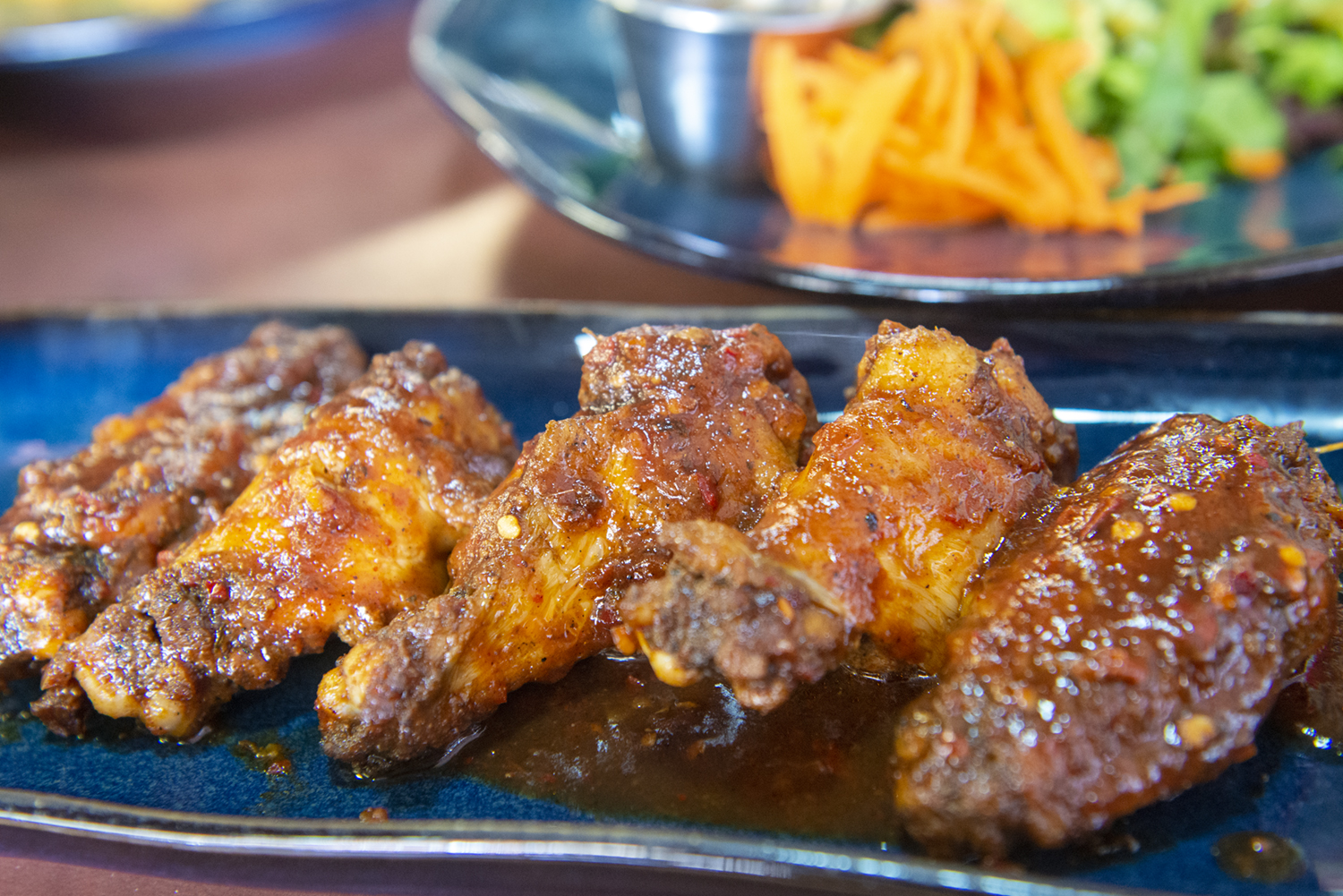
A centennial invites reflection, but food asks for something more tactile than memory alone. It asks for aroma, texture, heat, color, and the kind of stories that arrive before the plate even touches the table. When people speak about a caribbean food centennial, they are not simply marking one hundred years on a calendar. They are recognizing a living tradition shaped by migration, trade, hardship, improvisation, and joy. Caribbean cuisine has never been static. It has always moved, adapted, borrowed, protected, and transformed.
That is part of what makes any celebration of Caribbean food so compelling. The region’s culinary identity is both rooted and fluid. A Sunday pot of pelau in Trinidad, a bowl of Jamaican mannish water, a plate of Haitian griot with pikliz, a Barbadian pudding and souse, or a Dominican sancocho may look like distinct national expressions, yet each carries traces of African technique, Indigenous knowledge, European influence, Asian migration, and local ingenuity. Over the last century, those traditions have deepened, traveled outward through diaspora communities, and found new life in restaurants, home kitchens, festivals, and family gatherings from Port of Spain to Brooklyn, from Kingston to London, from Bridgetown to Toronto.
To honor a hundred years of Caribbean food heritage is to pay close attention to what survived and why.
More than a regional cuisine
One mistake outsiders often make is treating Caribbean food as a single cuisine with a few familiar symbols: jerk, rum cake, curry, rice and peas. Those dishes matter, of course, but they are only the visible tip of a vast culinary landscape. The Caribbean includes island nations and coastal territories with different colonial histories, religions, languages, agricultural conditions, and trade networks. The result is not one kitchen, but many kitchens in conversation.
In practical terms, that means ingredients and methods vary as much as the islands themselves. Coconut milk may define one table, while another leans hard into cassava, breadfruit, green banana, salt cod, pigeon peas, callaloo, sorrel, or fresh seafood. In one place, a pepper sauce is bright and vinegary. In another, it is slow-burning and fruit-forward. Even a staple as familiar as rice can be cooked into separate traditions: cooked down in coconut milk, folded into one-pot dishes, paired with red beans, or served alongside stews that have simmered for hours.
Over the past hundred years, what has held these foodways together is not uniformity but resilience. Caribbean cooking thrives because it developed under pressure. Enslavement, indentureship, colonial rationing, changing export markets, hurricanes, economic instability, and emigration all affected what people could grow, buy, and preserve. Good cooks answered those limits with discipline and imagination. That resourcefulness remains one of the defining strengths of the region’s food.
The century on the plate
A centennial lens helps clarify how dramatically Caribbean food has evolved since the early twentieth century. Much of the cooking from a hundred years ago was still deeply tied to local agriculture and community-scale production. Families relied on provisions grown nearby, fish caught the same day, small livestock raised at home, and market systems built around what the season allowed. Refrigeration was limited or unavailable in many places, so salting, smoking, pickling, curing, and heavy seasoning did crucial work. Flavor was never an afterthought. It was often a preservation strategy, a practical necessity, and a marker of identity all at once.
As the century progressed, several shifts changed the way Caribbean people ate. Urbanization moved families away from direct food production. Imported goods became more common. Flour, canned milk, corned beef, tinned mackerel, and other shelf-stable products entered everyday cooking, sometimes by convenience, sometimes by economic force. Postwar migration carried recipes abroad, where cooks had to substitute ingredients, adjust to new equipment, and cook for younger generations who were growing up with mixed food identities.
This is where the story gets especially interesting. Caribbean food did not weaken under those pressures. In many cases, it became more visible and more inventive. Diaspora cooks began recreating home with what they could find. Scotch bonnet might be replaced one week and hunted down the next. A specific yam variety might be unavailable, but another starch would step in. Saltfish might cost more than expected in a foreign city, so the meal around it changed. Those adaptations mattered because they kept cooking alive. Tradition, in this sense, was not a museum object. It was a working method.
That dynamic is at the heart of a meaningful caribbean food centennial celebration. The past hundred years were not a smooth story of preservation. They were a century of adjustment without surrender.
The people behind the food
Food history often gets flattened into recipes, but recipes alone explain very little. The real archive lives in the people who cook without measuring, who know by smell when the onions have gone far enough, who can judge dough texture with one hand, who taste a broth and identify what it lacks before anyone else at the table notices.
Across the Caribbean, grandmothers, street vendors, fisherfolk, market women, bakers, rum makers, farmers, home cooks, and restaurant chefs have all shaped the cuisine in different ways. Some preserved ceremonial dishes. Some made humble food memorable. Some elevated local ingredients once dismissed as poor people’s food. Some built businesses that turned family cooking into public identity.
Anyone who has spent time in Caribbean kitchens knows that technique often arrives through observation rather than formal instruction. A child watches how green seasoning is blended, when curry should be toasted before liquid is added, how cassava is grated safely, how peas are softened just enough, how a whole fish is scored to take marinade properly. These lessons are embodied. They are repeated until the hands remember.
That kind of knowledge can be fragile. If it is not cooked, it disappears. Written recipes help, but they rarely capture the pace, judgment, or substitutions that make the dish make sense. A centennial celebration should therefore honor not only famous national dishes, but also the elders and working cooks who carried these traditions through everyday labor.
Ingredients that tell the story of movement
Caribbean food history is a history of movement, and the ingredients themselves prove it. Plantains and breadfruit, now deeply associated with the region, arrived through colonial routes. Rice, once foreign to the islands, became central in many territories. African culinary traditions shaped the treatment of okra, yams, black-eyed peas, and one-pot cooking. Indian indentured laborers influenced the widespread use of curry, roti, chutneys, and spice blends in places such as Trinidad and Guyana. Chinese communities left their mark on stir-fried dishes, sauces, and restaurant culture. Indigenous peoples contributed techniques, crops, and a practical understanding of local ecologies that remain foundational, even when insufficiently acknowledged.
What makes Caribbean cuisine remarkable is not merely that it contains many influences. It is that the region transformed those influences into distinct local foodways. Doubles in Trinidad are not a copy of anything elsewhere. Jerk is not reducible to generic grilled meat. Pepperpot in Guyana carries a logic and flavor architecture entirely its own. Cuban black beans, Puerto Rican pasteles, Lucian green fig and saltfish, and Bahamian conch salad each emerge from specific historical conditions and taste memories.
A hundred years of Caribbean cooking has therefore been a century of culinary authorship. The region did not just receive ingredients and techniques. It remade them.
Signature dishes, living traditions
Some foods become ambassadors, and that has benefits and drawbacks. Iconic dishes can draw global attention, but they can also narrow outside understanding. Jerk, for example, is one of the Caribbean’s most recognized culinary traditions, yet its commercial versions are often stripped of depth. Proper jerk is not just heat. It is smoke, pimento, thyme, scallion, patience, and the right relationship between fire and meat. The same can be said of curry goat, which fails if the spices are not layered carefully, or callaloo, which depends on balance rather than brute seasoning.
At the same time, there is dignity in the less glamorous foods that sustained households over generations. Pumpkin rice, fried bakes, stewed lentils, coconut dumplings, cassava pone, fish tea, boiled green bananas, and simple saltfish dishes may not headline tourist menus, but they carry the daily grammar of Caribbean life. That is where heritage often sits most honestly, not only in celebration foods, but in ordinary meals repeated week after week until they become family memory.
For a centennial event, it makes sense to hold both truths at once. The showstoppers deserve attention, but so do the dishes that fed children before school, stretched salaries at month’s end, and turned modest ingredients into complete meals.
What a caribbean food centennial should actually celebrate
If the goal is to mark one hundred years meaningfully, the event should go beyond nostalgia and restaurant spectacle. The strongest celebrations connect food to labor, land, and intergenerational knowledge.
A thoughtful centennial focus might include the following:
- heritage dishes prepared in their traditional form, not only modern reinterpretations
- oral histories from elders, farmers, fishers, and market vendors
- attention to indigenous and African culinary foundations
- honest discussion of imported food dependency and its health impact
- support for younger cooks preserving regional techniques
Those priorities matter because Caribbean food is under pressure from the same forces affecting traditional cuisines worldwide. Imported processed foods are often cheaper or more aggressively marketed than local staples. Agricultural land is vulnerable to tourism development, storms, and changing weather patterns. Many younger people inherit the flavor memories but not always the cooking skills. At the same time, there is strong renewed interest in local ingredients, heritage crops, fermentation, artisanal products, and serious regional cooking. The centennial moment can strengthen that revival if it is approached with substance.
Diaspora kitchens and the second life of tradition
Some of the most important Caribbean food preservation over the last century happened outside the Caribbean. Migration changed the map of the cuisine. It created neighborhoods where island ingredients became commercial lifelines. Small groceries imported sorrel, tamarind, cassava, hard dough bread, and spice mixes. Weekend cooking became a cultural anchor. Community gatherings turned food into a language of belonging for people who were far from home.
The diaspora also changed the cuisine itself. Restaurant formats developed differently abroad than they did on the islands. Catering became a major vehicle for passing food traditions across generations. Fusion happened naturally, sometimes brilliantly, sometimes clumsily. A Trinidadian family in New York might make pelau with local chicken but insist on the same browning method used back home. A Jamaican household in Birmingham might preserve its Christmas cake ritual down to the exact fruit soaking schedule. A Haitian restaurant in Montreal may present griot with a level of formal plating that would be unusual in a family yard, but the seasoning logic remains intact.
These are not lesser expressions of Caribbean food. They are part of the centennial story. The cuisine survived because it traveled with people who refused to let it fade.
Technique is the heritage, not only the dish
There is a tendency to talk about food heritage as a menu of named dishes, but the deeper inheritance often lies in technique. Green seasoning, for instance, is more than a condiment. It is a framework for building flavor in Trinidadian and broader Caribbean cooking. Browning sugar before adding meat to a stew demands confidence and timing, because a few seconds too far will ruin the pot. Proper frying, steaming in banana leaves, grating coconut fresh, balancing sour agents against fat, and handling hot peppers without flattening a dish into pure burn, these are skills that define the food as much as any recipe title.
This matters for chefs and home cooks alike. Modern reinterpretation is valuable when it grows out of understanding. A chef who wants to refine conch, saltfish fritters, or pepperpot for a tasting menu should know what makes the original beloved. Texture matters. Heat matters. Portion size changes the experience. So does context. A small elegant serving can be exciting, but it cannot replace the full social meaning of a dish eaten at Carnival, after church, at a wake, or during Christmas preparations.
Centennial celebrations should therefore create room for demonstration and practice, not just consumption. Watching someone make cassava bread or season a pot properly can teach more than a printed menu ever will.
The festival table and the family table
Caribbean food shines at festivals because the region understands abundance as performance. There is color everywhere, sorrel red in a glass, golden fried plantain, dark lacquered stew chicken, bright slaw, flecks of green herbs, curries stained deep with turmeric and toasted spices. Music, weather, and crowd energy amplify the meal. In those spaces, food becomes public culture.
Yet the family table tells a different, equally important truth. That is where recipes get corrected. It is where arguments about the right way to make macaroni pie or black cake can last decades. It is where one aunt insists the coconut bake needs more salt and another says the younger generation is afraid of proper pepper. These disputes are not trivial. They reveal how seriously Caribbean households take food as identity.
A caribbean food centennial worth remembering should honor both settings. The public feast draws attention, but the private table preserves standards.
Health, agriculture, and the future of heritage
No honest celebration can ignore the harder questions surrounding Caribbean food today. The region has some of the reggaepotjamaicangrill.com caribbean food centennial world’s most vibrant culinary traditions, yet many islands depend heavily on imported food. That dependence affects price, nutrition, and resilience. Diet-related illnesses have risen in many Caribbean populations, and some of the blame lies with the aggressive spread of ultra-processed products displacing fresh local staples.
This does not mean traditional Caribbean food is the problem. Quite the opposite. Properly understood, many heritage patterns are rich in legumes, ground provisions, seafood, vegetables, fruit, and deeply satisfying modest portions of meat. The issue is not callaloo, stewed beans, roasted breadfruit, or fish broth. The issue is the economic and social environment that makes factory food easier to access than fresh produce, or that treats local farming as less viable than import dependency.
That is why a centennial celebration should include serious attention to farming, fisheries, and school food culture. If children grow up knowing only the tourist version of Caribbean cuisine, the tradition thins out. If they know dasheen, christophene, pigeon peas, cassava, fresh coconut, and the difference between homemade and bottled pepper sauce, the tradition has a future.
How communities can mark the centennial with substance
Grand banquets have their place, but some of the most effective centennial efforts are practical and local. Communities do not need extravagant budgets to preserve food heritage. They need intention, documentation, and access.
Here are a few ways a centennial can leave a real legacy:
- record elders cooking in their own kitchens, with their commentary intact
- create local recipe archives that include substitutions and seasonal notes
- organize school tastings built around heritage ingredients
- support farmers’ markets tied to cultural festivals
- fund apprenticeships for young cooks learning traditional methods
These efforts recognize a basic truth. Culinary heritage survives through use. Once a dish stops being cooked, its cultural meaning weakens quickly. Once a technique stops being taught, revival becomes much harder.
Restaurants, reinvention, and responsibility
The past two decades have brought deserved attention to Caribbean chefs who are expanding the cuisine’s visibility. Fine dining, contemporary plating, fermentation programs, pastry innovation, and serious beverage pairing have opened fresh possibilities. This is good for the cuisine when handled with care. Caribbean food deserves the same intellectual respect granted to French, Japanese, Italian, Mexican, or regional Indian traditions. It has enough complexity, history, and technical depth to sustain that attention.
Still, reinvention comes with responsibility. There is a fine line between refinement and erasure. If a menu borrows Caribbean names but strips away the seasoning profile, the communal references, or the ingredient integrity that defines the original, it starts to feel hollow. Skilled innovation should clarify tradition, not disguise it.
The best chefs working in this space tend to understand that instinctively. They know that a modern sorrel reduction or cassava crisp works best when it still tastes unmistakably of home. They respect the architecture of the dish, even when changing the presentation. They ask where the ingredients come from, who taught the method, and what memory the food is meant to carry.
That attitude belongs in any centennial conversation. A hundred years of flavor deserves more than trendiness. It deserves stewardship.
What one hundred years really means
A centennial is not proof that a tradition is safe. It is proof that people worked to keep it alive. Caribbean food reached this point because generations cooked through scarcity, migration, colonial aftermath, and changing tastes without abandoning the core principles that gave their food character. They seasoned boldly. They wasted little. They shared what they had. They made ceremony out of ordinary ingredients. They respected fire, time, and the intelligence of the palate.
That is the heritage being celebrated. Not only the famous dishes, but the systems of care behind them. Not only the restaurant plate, but the market stall, the fishing boat, the backyard tree, the roadside grill, the Sunday pot, the holiday baking tin, and the child standing nearby learning without yet knowing that they are learning.
The phrase caribbean food centennial should mean more than a festive slogan. It should signal gratitude for the cooks who preserved identity through flavor, and commitment to the next century of that work. Food this layered does not survive by accident. It survives because people insist that taste, memory, and belonging matter enough to protect.
If that spirit leads the celebration, the centennial will be worthy of the table.
Reggae Pot Jamaican Grill
Address: 7562 S University Blvd Unit C, Centennial, CO 80122
Phone: (303) 997-5623
FAQ About caribbean food centennial
What Jamaican dishes can I try in Centennial?
Reggae Pot Jamaican Grill serves Jamaican specialties such as jerk chicken, stewed oxtail, curry goat, and ackee and saltfish. Check the current menu for availability.
What is ackee and saltfish?
It is Jamaica’s national dish. The restaurant prepares ackee with salted cod, onions, thyme, tomatoes, garlic, black pepper, and pimento.
Can I order Jamaican food for pickup in Centennial?
Yes. Choose the Centennial location at 7562 S University Blvd Unit C when placing a takeout order.