Celebration Menu Tips for the Jamaican Food Centennial
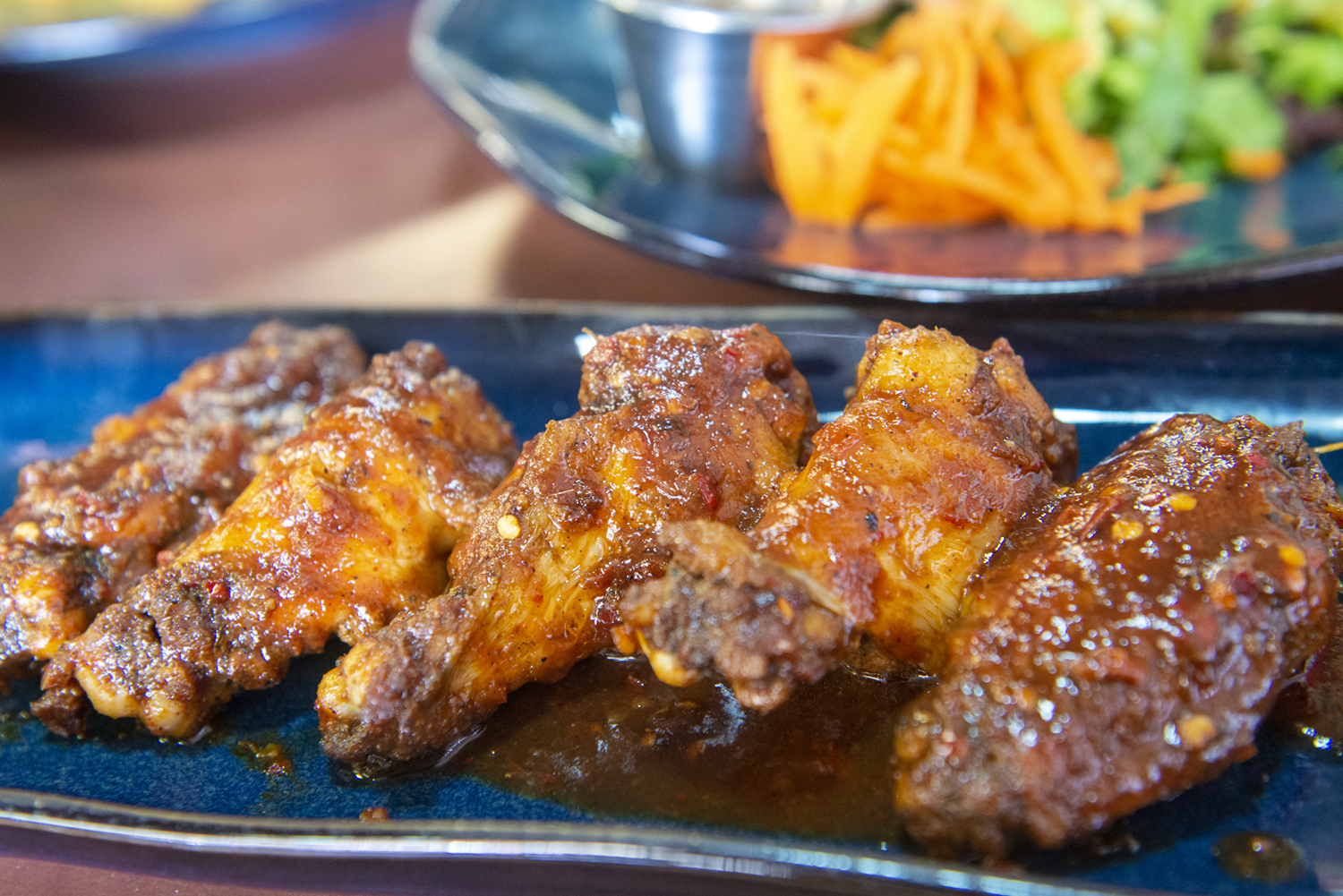
A centennial celebration asks more of a menu than ordinary entertaining. Food has to carry memory, pride, hospitality, and a sense of occasion, all while feeding real people at a real pace. When the event centers on Jamaican cooking, the task becomes even more meaningful. Jamaican food is deeply expressive. It tells stories about migration, farming, trade, resilience, neighborhood cookshops, family tables, and the patient way flavor develops when spice, smoke, herbs, and time are handled with confidence.
Planning a menu for a Jamaican food centennial means resisting two common mistakes. The first is to reduce the cuisine to a few famous dishes and call it done. The second is to make the spread so ambitious that service collapses under its own weight. A strong centennial menu honors beloved staples, but it also shows range. It should feel festive without becoming fussy, generous without becoming chaotic.
I have found that the best celebratory menus begin with one clear question: what should guests remember when they leave? If the answer is the perfume of pimento wood smoke, the glow of curry and turmeric, the comfort of rice and peas, and the sweetness of ripe plantain at exactly the right point of caramelization, then every menu decision gets easier. You are not trying to serve everything. You are trying to build a meal that feels recognizably Jamaican from the first bite to the last, and that still works in a practical event setting.
Start with the event, not just the dishes
A family-style lunch for forty and a formal evening reception for two hundred need different menus even if both are celebrating the same milestone. Jamaican cooking can be adapted beautifully to either format, but the service style changes what will succeed.
For a seated meal, you can afford dishes that reward timing and plating. Escovitch fish, for instance, looks striking when presented with its tangle of pickled vegetables, but it is less forgiving if held too long. For a buffet or large community gathering, braised and stewed dishes usually perform better. Brown stew chicken, curry goat, and oxtail all deepen in flavor as they rest, and they hold heat with less risk to texture. That matters more than people often realize. A dish that tastes superb in the pan can disappoint after thirty minutes under poor service conditions.
The centennial angle also matters. A one-hundred-year celebration should feel rooted. That does not mean everything must be old-fashioned, but it does mean the menu should show continuity. Traditional core dishes give guests a sense of recognition, while one or two thoughtful updates can signal that Jamaican cuisine is alive and evolving. A smoked callaloo tartlet at a reception can sit comfortably beside a tray of beef patties. The trick is proportion. Heritage should lead, not serve as a garnish.
Build around a few anchor flavors
Jamaican menus become memorable when they have structure. Too many hosts pile on rich dishes without thinking about how the palate moves through the meal. The result is heaviness, even when the cooking itself is excellent. A more effective approach is to choose two or three anchor flavor profiles and let the rest of the menu support them.
Jerk is one obvious anchor, but it should be used with discipline. Proper jerk has fire, warmth, smoke, thyme, scallion, ginger, allspice, and a little sweetness in balance. If jerk chicken is the main attraction, then not every side dish needs to compete with it. A clean cabbage slaw, festival, roasted sweet potato, or breadfruit can create relief. If every item is highly spiced, guests stop tasting distinctions and start reaching for water.
The same principle applies to curry. Jamaican curry, with its earthy spice blend and often richer, fuller profile than some guests expect, can anchor a menu beautifully, especially for goat, chicken, shrimp, or vegetables. But if curry is one anchor, then pair it with fresher notes elsewhere. Cucumber, mango, citrus, and pickled elements help. Pepper sauce can be on the side for those who want extra heat rather than built into every dish.
Then there are the gentler foundations that make the meal feel complete: coconut, rice, peas, yam, cassava, plantain, and callaloo. These are not filler. They are the rhythm section of the menu. They provide contrast and continuity, and they keep the meal from becoming a parade of proteins.
The strongest centennial menus balance pride and practicality
There is a temptation at milestone events to prove abundance through sheer quantity. More meats, more sides, more desserts, more beverages. That instinct comes from generosity, which is admirable, but the execution often leads to waste and muddled identity. Guests would rather remember eight well-prepared dishes than sixteen uneven ones.
A disciplined menu usually needs one headline dish, one substantial supporting protein, three or four sides with different textures, one or two condiments that bring brightness or heat, and a dessert course that lands cleanly. If the event is large, the menu should also be resilient. Resilience in catering terms means dishes can be produced in volume, held safely, replenished without drama, and served by staff who may not be culinary specialists.
That is one reason rice and peas remains indispensable at celebrations. It is more than tradition. It is scalable, familiar, fragrant, and deeply satisfying. The same is true of well-made plantain. Guests always underestimate how much they will eat when it is cooked properly, golden at the edges, soft in the center, and seasoned just enough to highlight its natural sugar.
Choosing mains that can carry the occasion
The main course should speak clearly. If you try to make every protein equally important, none of them will feel intentional. For a Jamaican food centennial, I usually advise clients to choose one dish that offers immediate visual and aromatic impact, then one that brings depth and comfort.
Jerk chicken is often the easiest centerpiece because it announces itself the moment it hits the room. The smell alone creates anticipation. But if you go this route, technique matters. Chicken must be marinated thoroughly, cooked with enough charring for authenticity, and not dried out in service. Too many large events get the seasoning right and the cooking wrong. If live grilling is possible, that adds atmosphere and freshness. If not, cook in batches and hold carefully, then finish or refresh with a little glaze and a last brush of pan juices before service.
Curry goat is a classic supporting star because it feels celebratory. It is rich, aromatic, and tied to special occasions in many households. The challenge is yield and tenderness. Goat requires planning. If the budget or sourcing makes goat difficult, brown stew chicken is a smart alternative that still delivers emotional familiarity and excellent buffet performance.
Seafood can play an important role too, especially in coastal communities or for evening receptions. Escovitch fish offers brightness and color, though it is best suited to smaller formats or stations where turnover is fast. Pepper shrimp can be wonderful as a passed bite or part of a reception spread, but it should not be expected to satisfy guests as a primary main.
For vegetarian guests, it is not enough to remove the meat and hope the sides carry them. A real vegetable centerpiece, perhaps curried chickpeas, stewed butter beans, roasted breadfruit with spicy tomato relish, or callaloo with coconut and herbs, signals respect. At celebrations, that gesture matters.
Sides are where a menu earns trust
People often judge a celebratory meal by the sides, even when they claim to care most about the meat. They notice whether the rice is fluffy or gummy, whether the festival is fresh or stale, whether the cabbage still has life, whether the plantain was fried too early and left to harden. In practical terms, sides are also where the meal can become either balanced or monotonous.
Rice and peas is the obvious cornerstone, but it does not need to stand alone. A second starch can add interest, especially if it changes texture. Fried dumplings, bammy, roasted yam, or crisp-edged sweet potato each bring something different. Breadfruit is especially good for a centennial event because it feels rooted and substantial. Prepared well, it can move from humble to elegant without losing character.
Vegetable sides deserve more attention than they often get. Steamed cabbage with carrots and bell peppers works because it is colorful, affordable, and broadly liked. Callaloo, if handled gently and not overcooked, gives the table a deeper green note and a distinctively Jamaican identity. A fresh slaw with lime can cut through heavier braises and smoked meats. I have seen guests return for second helpings of slaw at jerk-heavy events simply because it brings relief.
Condiments finish the picture. Pickled vegetables, pepper sauce, and fruit-based chutneys are small details with outsized effect. They let guests tune the plate to their own taste and keep repeated bites interesting.
A sample menu structure that works
When clients want a proven framework, I suggest building around a menu like this:
- Jerk chicken as the showpiece main, cooked in batches for better texture and aroma.
- Curry goat or brown stew chicken as the second main, chosen according to budget and service format.
- Rice and peas, fried ripe plantain, and either callaloo or steamed cabbage as the core sides.
- A fresh counterpoint such as mango slaw, escovitch vegetables, or cucumber salad with lime.
- A dessert finish of rum cake, gizzada, or coconut drops, depending on the formality of the event.
This format works because it gives guests something smoky, something savory and slow-cooked, familiar starches, a bright acidic note, and a dessert that feels celebratory without requiring complicated plating. It also scales well. You can refine it upward for a formal dinner or keep it hearty for a community hall gathering.
Think carefully about heat levels
One of the most common menu planning errors for Jamaican celebrations is confusing authenticity with intensity. Scotch bonnet brings signature flavor as well as heat, but not every guest can handle the same level. If you build too much heat into the base of every dish, many people will eat less than they want or avoid items altogether.
The better approach is layered heat. Let dishes carry enough pepper to taste alive and true, then offer additional heat through sauces and relishes on the side. This preserves the character of the cuisine while making the table more inclusive. It also protects children, older guests, and anyone unaccustomed to high spice. At one large anniversary event I attended, the kitchen wisely split the jerk glaze into two finishes, one moderate and one hot, and labeled them clearly. Service moved faster because guests felt confident choosing.
Heat is not the only issue. Salt, sweetness, and smoke also need moderation. Jamaican food celebrates boldness, but boldness works best when it has definition. If the jerk is salty, the slaw should be light. If the curry is rich, the vegetables should not be drowned in butter. These are small decisions that determine whether guests feel energized or exhausted by the meal.
Drinks should support the food, not distract from it
Beverages are often an afterthought, yet they can either sharpen the menu or blur it. For a daytime centennial gathering, sorrel, ginger beer, lemonade with fresh lime, and coconut water-based options all make sense. Sorrel is especially fitting for celebration because it feels festive and carries spice beautifully. If it is sweet, balance it with enough tartness and a little ginger so it does not turn syrupy beside rich food.
For evening events, rum punches and cocktails can work, but they should not be so sweet that they flatten the palate. A drier drink with citrus or bitters can be a better partner for jerk and curry. Nonalcoholic options deserve equal thought. Good iced tea with tropical fruit notes, or a restrained ginger drink with real bite, often gets more appreciation than another generic soda bucket.
Coffee at the end of the meal is worth considering, especially if dessert includes coconut, spice, or dark fruit. It gives the event a gentler close and can encourage guests to linger in conversation rather than leave on a sugar spike.
Dessert should feel intentional, not obligatory
At many celebrations, dessert arrives because people jamaican food centennial expect it, not because anyone designed it to matter. For a Jamaican food centennial, dessert can be one of the most eloquent parts of the table if it reflects the same thoughtfulness as the savory dishes.
Rum cake is an obvious candidate, and for good reason. It holds well, slices cleanly, and carries occasion. The quality, however, depends on restraint. A cake that is soaked enough to stay tender but not so wet it becomes cloying will always win. Fruit and spice should taste mature, not merely sweet.
Gizzada, toto, grater cake, coconut drops, and sweet potato pudding all bring character and variety. In large-format service, smaller desserts often work better than one plated finale. Guests who have eaten generously may want just a bite of something sweet with coffee or tea. I once saw a dessert station succeed brilliantly with modest portions of rum cake, coconut drops, and banana fritters, because people could choose their appetite rather than commit to a heavy plate.
Fresh fruit can also play a quiet but important role. Pineapple, mango, or orange segments dressed lightly with lime make richer sweets more enjoyable. They also help if the main meal has been particularly hearty.
Portioning, pacing, and the hidden math of hospitality
Most menu problems are not flavor problems. They are logistics problems wearing a flavor costume. The chicken was excellent, but it ran out early. The rice was generous, but there were no servers assigned to replenish it. The plantain was ordered correctly, but fried too soon. These failures are avoidable if menu planning includes hidden math.
For buffet events, build around realistic guest behavior rather than ideal serving sizes. People take more of what they recognize and what looks abundant. Jerk chicken disappears faster than an equivalent tray of braised vegetables. Fried plantain goes quickly because guests treat it as both side and snack. Rice and peas acts as a buffer but should never be used to make a menu look more plentiful than it is. Guests notice.
A few planning habits make a tremendous difference:
- Estimate generously on flagship items and conservatively on niche items.
- Hold back a reserve of the most popular side dishes for mid-service replenishment.
- Stagger finishing times so everything does not peak or decline at once.
- Label dishes clearly, especially when heat, allergens, or pork content may be concerns.
- Taste food again at service temperature, not just straight from the stove.
That last point is overlooked constantly. Seasoning reads differently when food sits in chafers or cools on platters. Rice may need a touch more salt than you thought. Slaw may need more lime after resting. Pepper may bloom with time. A final tasting under real service conditions separates polished events from merely decent ones.
Respect regional and family variation
Anyone who has spent time around Jamaican food knows there is no single absolute version of every dish. Families jamaican food centennial argue, regions differ, cooks improvise, and ingredient access changes outcomes. That is part of the cuisine’s strength. So when planning a centennial menu, it helps to know whose memory you are feeding.
If the event honors a particular family, parish, institution, or community, let that shape the menu. One group may expect mannish water or roast yam at any major gathering. Another may strongly associate celebrations with curried goat and hard dough bread. A third may prize seafood, soups, and fritters. These details can turn a competent menu into a meaningful one.
This is especially important if the phrase jamaican food centennial is being used for a public-facing celebration, festival, or commemorative event. In that context, guests often want both recognition and education. They want the comfort of familiar standards and the pleasure of discovering a less-publicized dish or ingredient. A menu can achieve that by pairing known favorites with one or two heritage items explained on signage or by service staff. It does not need to become a museum exhibit. It simply needs enough context for people to appreciate what they are tasting.
Presentation should reflect generosity, not excess
Jamaican food presents beautifully when left to its own strengths. Deep mahogany jerk, burnished plantain, green callaloo, yellow curry, and bright escovitch vegetables create color naturally. The mistake is over-styling. A centennial menu should look abundant and cared for, not architectural.
Serving vessels matter. For buffet or family-style service, broad platters and shallow pans often show the food better than deep hotel trays. Garnishes should be edible and relevant. Scallion curls and whole Scotch bonnets can work if used sparingly, but guests do not need random parsley simply because someone wanted green on the plate. If breadfruit or bammy is part of the spread, keep it warm and visible. Guests are more likely to try dishes they can identify and serve comfortably.
Signage is another presentation tool, particularly at mixed-audience events. Clear naming prevents hesitation. If a dish is spicy, say so. If a side is vegetarian, mark it. Guests appreciate guidance, and service feels smoother when people are not asking the same questions repeatedly.
What guests remember most
Long after speeches fade, people remember whether the food felt sincere. They remember the smell of jerk in the air, the tenderness of the curry goat, the comfort of the rice and peas, the surprise of a sharp pickled vegetable beside something rich, the cake that tasted like celebration rather than obligation. Those impressions come from planning that respects both the cuisine and the realities of feeding a crowd.
A strong centennial menu does not try to represent every Jamaican dish ever cooked. It chooses wisely, seasons confidently, and serves generously. It understands that heritage food must do two jobs at once. It has to honor the past, and it has to delight the people standing in line right now. When those two goals meet, the meal becomes more than catering. It becomes part of the celebration itself.
Reggae Pot Jamaican Grill
Address: 7562 S University Blvd C, Centennial, CO 80122
Phone number: +13039975623
FAQ About Jamaican Food Centennial
What is typical Jamaican food?
Typical Jamaican food features bold, vibrant flavors created by blending African, Taino, European, and Asian influences.
What is a famous Jamaican dish?
The most famous Jamaican dish is Ackee and Saltfish, which is the national dish of Jamaica.
What are the top 10 foods to eat in Jamaica?
AI Overview The top 10 traditional foods to eat in Jamaica are bold, flavorful dishes that mix local ingredients with global influences.