Jamaican Food Centennial: A Century of Culinary Heritage
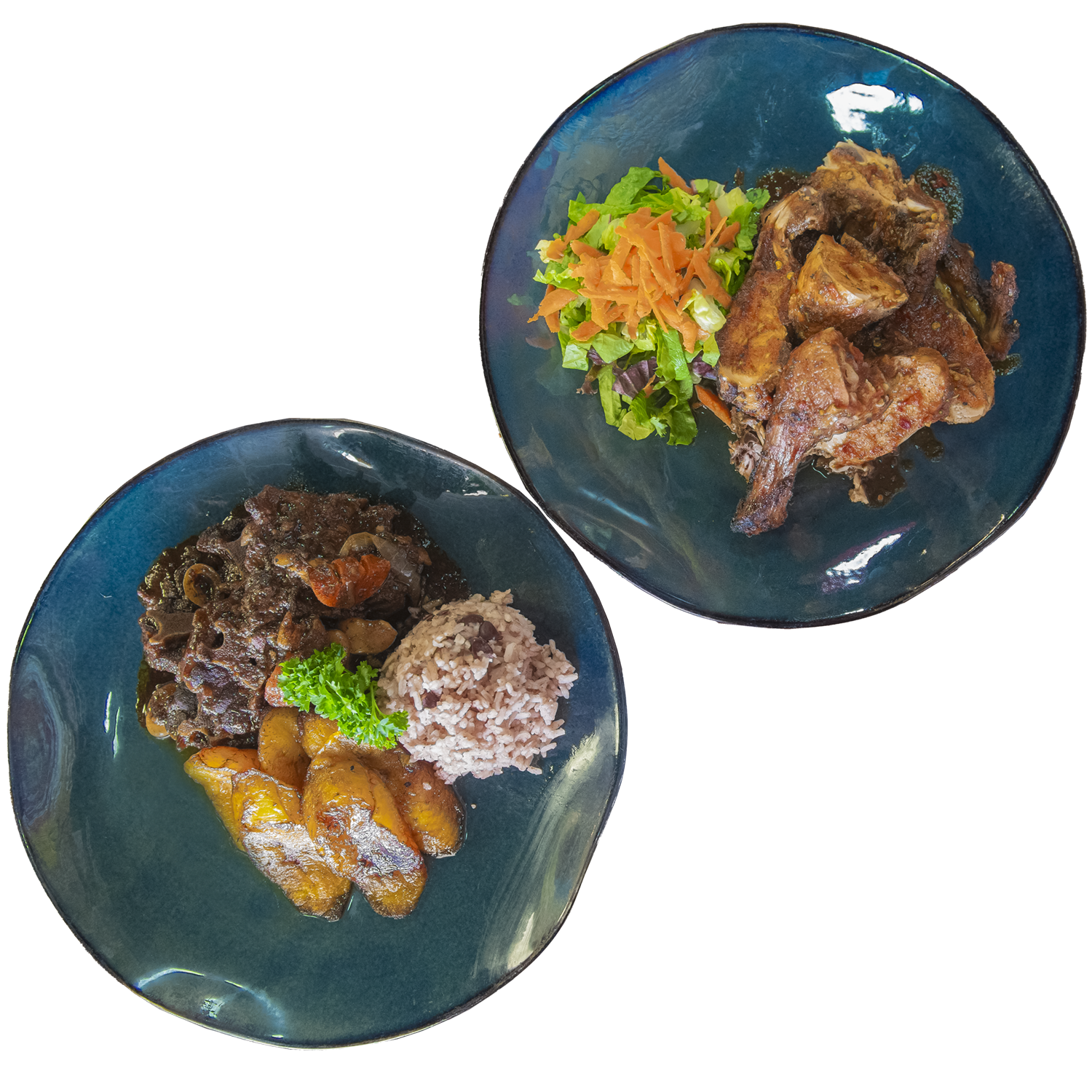
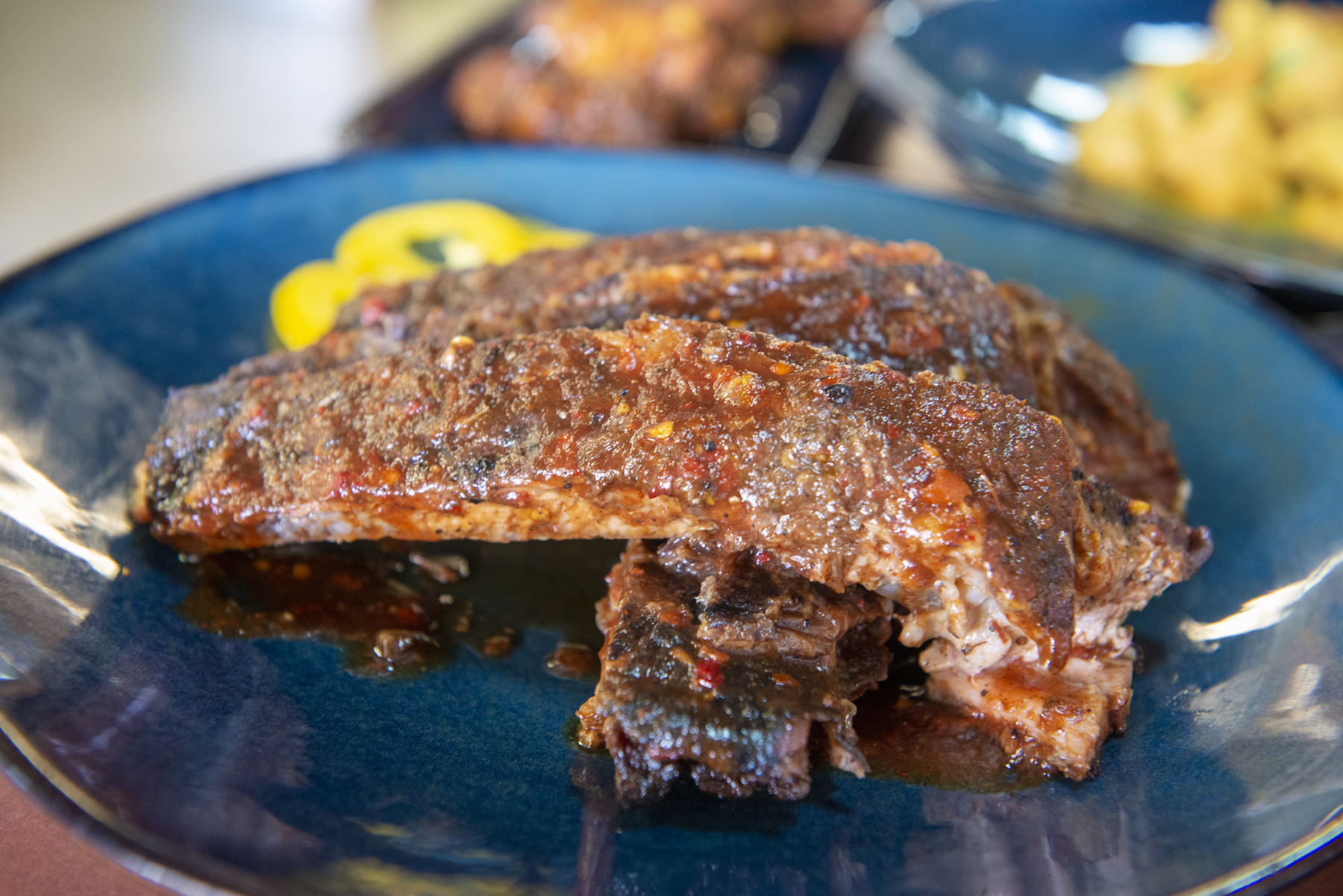
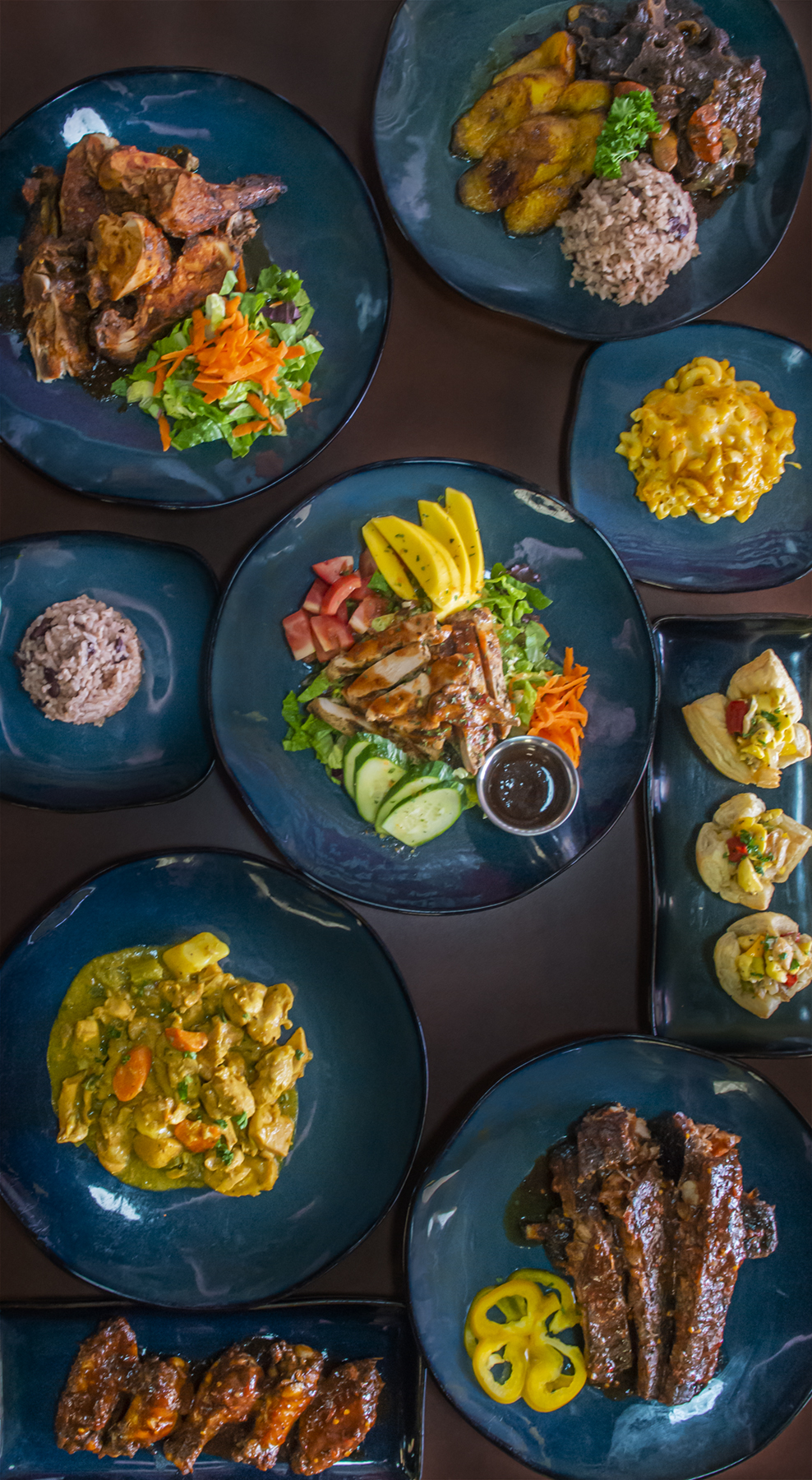
A centennial invites two kinds of memory. One is ceremonial, polished, and fit for speeches. The other lives in kitchens, on coal stoves, under zinc roofs, in market stalls at dawn, and on verandas where somebody still insists the soup tastes better if it simmers a little longer. When people talk about a Jamaican food centennial, that second kind of memory matters most. It is where culinary heritage actually survives.
Jamaican food has never been static. It has always been a working cuisine, shaped by movement, scarcity, ingenuity, ritual, agriculture, migration, and pride. Over the last hundred years, the island’s foodways have held fast to old foundations while adapting to modern pressures. Recipes have crossed parishes, class lines, and oceans. Some dishes that were once plainly rural are now global symbols. Others remain deeply local, recognized instantly by Jamaicans yet barely understood abroad.
To look at a century of Jamaican culinary heritage is not merely to catalogue famous dishes. It is to trace how land, labor, trade, family life, and memory all appear on the plate. It is also to see how a cuisine built from many histories became one of the clearest expressions of national identity in the Caribbean.
The roots run deeper than a hundred years
No serious account of Jamaican food begins only a century ago. The past hundred years sit on foundations laid much earlier by Indigenous Taíno food knowledge, West African cooking traditions, European colonial systems, South Asian indentured labor migration, Chinese migration, and later exchanges with the wider Caribbean and North America. Jamaican food is a creole cuisine in the truest sense, not a random mixture but a coherent tradition formed through long contact and adaptation.
The Taíno left marks that are easy to overlook because they feel so natural to the island now. Cassava, pepper, methods of preservation, and the word "barbecue" itself belong to an older Caribbean world that predates British rule. West African influence is equally central, especially in the use of yam, okra, callaloo, plantain, one-pot cookery, and the taste for deeply seasoned food that carries heat, smoke, and savor in balance rather than excess. The British colonial period altered what was grown, who ate what, and how ingredients moved. Salted cod, for instance, became embedded in the Jamaican kitchen through Atlantic trade networks and eventually transformed into ackee and saltfish, one of the island’s best-known dishes.
A century-long view matters because it shows how these roots continued to live inside modern Jamaican life. The food of the 1920s was not a museum piece. It was practical, seasonal, and tied to market rhythms. Ground provisions, pickled fish, soups, porridges, peas, rice, escovitch preparations, and slow-cooked meats were not culinary performances. They were everyday systems for feeding households with flavor and thrift.
What the Jamaican table looked like a hundred years ago
If you stepped into an ordinary Jamaican home roughly a century ago, your impression would depend heavily on parish, income, access to imported goods, and whether the family lived in town or country. Still, some patterns were common. Breakfasts were often substantial by modern standards, especially where hard physical labor shaped the day. Porridge was a staple, made from cornmeal, oats, plantain, peanut, banana, or hominy, sometimes enriched with coconut milk, spices, or condensed milk when available. The logic was simple. A hot, filling breakfast carried you through work.
The midday meal and evening meal leaned on what could be grown, caught, preserved, or bought locally. Rice and peas, though now treated internationally as a celebratory shorthand for Jamaican food, fit naturally into this older structure because dried peas, coconut, rice, and seasoning stretched well and fed many people. Soups were serious food, not a side note. Saturday soup remains a cherished institution, but its roots lie in the older reality that bones, provisions, dumplings, and time could produce nourishment of remarkable depth.
Cooking methods also tell the story. Wood fires, coal pots, Dutch pots, roasting pans, and outdoor cooking spaces shaped flavor in ways modern kitchens often struggle to imitate. Smoke mattered. So did patience. Browning sugar for color, pounding spice, grating coconut by hand, soaking peas, curing meats, and seasoning overnight were not nostalgic rituals. They were standard kitchen work.
There is a tendency, especially in glossy food media, to flatten the Jamaican past into endless abundance and color. That is too easy. Many households dealt with constraints that demanded skill. Good cooks learned how to make a little pigtail perfume a whole pot, how to fry ripe plantain so it sweetened a plate without feeling like dessert, how to use thyme, scallion, allspice, Scotch bonnet, onion, and garlic with enough force to brighten humble ingredients but not crush them. A century of culinary heritage is also a century of discipline.
The age of transition, from rural continuity to urban speed
Over the last hundred years, Jamaica changed materially and socially in ways that altered food. Urbanization, wage labor, refrigeration, migration, imported packaged goods, tourism, and changing family structures all affected what people cooked and how often they cooked it from scratch. Yet one of the striking strengths of Jamaican cuisine is that it absorbed these shifts without losing its grammar.
Take patties. Today, the Jamaican patty is both everyday food and cultural icon, sold in bakeries, schools, transport centers, airports, and diaspora neighborhoods abroad. Its form reflects layered history, including British pastry traditions and local seasoning preferences, but its success comes from modern life. Portable, filling, inexpensive, and adaptable, the patty belongs to an era of commuting and quick meals. Still, when well made, it tastes unmistakably Jamaican because the beef, chicken, vegetable, or seafood filling is driven by thyme, pepper, scallion, curry, and the warm color associated with turmeric or annatto.
Jerk offers another example. Long before it became a global menu word, jerk was a preservation and cooking method tied to maroon history, wild game, smoke, spice, and pit cooking. Over the twentieth century, it moved from regional practice to national symbol. That expansion changed it. Roadside jerk centers brought consistency and scale. Urban demand encouraged chicken as much as pork. Export markets and restaurant menus sometimes simplified the flavor profile into pure heat. Yet proper jerk remains more nuanced than that stereotype. Pimento wood, allspice, thyme, Scotch bonnet, scallion, and slow smoke produce complexity, not just fire.
The same century saw imported products become more common in Jamaican kitchens. Tinned mackerel, corned beef, powdered milk, flour, and condensed milk all affected household cooking. Purists sometimes treat these ingredients as signs of decline, but that misses the point. Culinary heritage is not only what survives unchanged. It is also how a people turn available ingredients into recognizable food. Corned beef and rice, for example, may not represent the oldest layer of Jamaican cuisine, but they reflect the practical intelligence of twentieth-century home cooking.
A cuisine of markets, not just recipes
To understand the Jamaican food centennial properly, you have to leave the cookbook and walk through a market. Jamaican cuisine is ingredient-led in the most grounded way. Not fashionable ingredient-led cooking, where chefs build tasting menus around one rare leaf, but market-led cooking, where availability, ripeness, weather, and price shape the pot.
Coronation Market in Kingston is often cited because of its scale and centrality, but local markets across the island tell the deeper story. They show how food heritage survives through circulation. Yam from one district, escallion tied in bunches, cho cho piled high, pepper sold in little bags, pumpkin cut to order, thyme fresh and fragrant, breadfruit in season, callaloo bundled, cassava caked with earth, bananas at different stages of ripeness, and saltfish sold according to household need. The market is both economic infrastructure and cultural archive.
That reality matters because Jamaican food depends on judgment as much as formula. A good cook does not simply follow measurements. She reads the thyme, checks the coconut, knows whether the jamaican food centennial callaloo needs less time, and decides whether today’s Scotch bonnet is fierce enough to leave whole in the pot rather than split. This kind of knowledge rarely enters official histories, yet it is one of the main ways culinary heritage travels across generations.
I have often thought that the soundscape of a Jamaican market says almost as much as the produce itself. Bargaining, joking, calling out prices, discussing rain, lamenting shortages, praising one vendor’s yam over another’s, debating whether a particular breadfruit will roast up dry or creamy, all of it forms part of the cuisine. Food heritage is social long before it is plated.
Signature dishes, and why they endure
Some dishes become national shorthand because they condense history, flavor, and everyday practicality into one form. Jamaican food has several such dishes, but they endure for different reasons.
Ackee and saltfish remains the most obvious emblem. Its brilliance lies partly in contrast. The ackee, soft and buttery when properly prepared, cushions the saltfish, which brings salinity and chew. Onion, tomato, pepper, and herbs add brightness. Eaten with fried dumpling, breadfruit, boiled green banana, or yam, it becomes a complete expression of the island’s talent for turning historical necessity into pleasure. Salt cod arrived through empire and trade, not romance. Ackee itself came from West Africa and naturalized in Jamaica so completely that many people outside the island assume it was always native. Their meeting on the plate is a lesson in Jamaican history.
Rice and peas is another dish people misunderstand. They hear the name and imagine simplicity. In practice, well-made rice and peas carries layers: coconut milk, thyme, scallion, allspice, Scotch bonnet, sometimes ginger, and the earthy softness of kidney beans or gungo peas depending on season and context. It can support almost anything beside it, from Sunday chicken to curry goat to fried fish, because it is not bland starch. It is seasoned architecture.
Escovitch fish speaks to the coastal intelligence of the cuisine. A crisp fried fish dressed with vinegar, carrot, onion, and pepper has brightness, bite, and preservation logic all at once. Festival beside it adds a touch of sweetness and soft chew. This is not accidental pairing. Jamaican food often works through contrast, hot with cool, crisp with soft, sweet with sharp.
Then there is soup, a category too broad to be reduced to one recipe. Red peas soup, mannish water, fish tea, chicken foot soup, pumpkin soup, and pepper pot all reveal how Jamaicans use liquid dishes to convey seriousness. Soup on the island is not a token first course. It can be medicine, social glue, weekend ritual, and proof that the cook understands extraction, timing, and seasoning.
The Sunday table and the discipline of occasion
One of the clearest changes over the past century is not what Jamaicans value in food, but how often they can devote time to making it. Sunday remains important because it protects slower cooking against the rush of the week. Many households still use Sunday to prepare the meal that gathers everyone, or at least gestures toward togetherness even when family members are scattered.
That meal might feature rice and peas, roast or brown stew chicken, curry goat, stew peas, macaroni and cheese in the Jamaican style, tossed salad, fried plantain, and something cool to drink. The exact menu varies, but the principle is constant. Sunday cooking is an act of care and status, sometimes modest, sometimes lavish, always legible. You can read a household’s habits through that table.
There is also an etiquette to these meals that rarely makes it into formal culinary writing. Who gets the gungo peas with the most gravy. How the eldest person prefers the chicken cut. Whether the Scotch bonnet is left whole so children can eat safely. How much browning goes into the gravy before somebody complains it tastes too sweet. Whether the rice should shell apart or hold a little softer. These details matter because they show food as lived inheritance rather than static tradition.
Street food, working people, and the pulse of the modern island
If the Sunday table represents continuity, street food represents Jamaican adaptability in motion. Over the last century, the roadside has become one of the most important theaters of the national cuisine. Pan chicken, jerk stands, soup vendors, roast corn sellers, fruit carts, peanut sellers, patty shops, and cookshops all serve people whose lives do not allow leisurely midday meals.
Street food also keeps certain flavor standards alive. A pan chicken vendor who cannot manage smoke, seasoning, and timing will not last. A soup seller whose broth tastes thin will hear about it. This informality is part of the quality control. Jamaica’s food culture can be forgiving about style, but not about tastelessness.
A few enduring strengths explain why street and takeaway food became so central:
- It fits working schedules without sacrificing strong flavor.
- It allows small operators to build loyal local followings.
- It preserves regional and family seasoning styles outside formal restaurants.
- It keeps prices accessible, at least more accessible than full-service dining.
- It turns public space into culinary space, which reinforces food as shared culture.
Even so, street food has trade-offs. Consistency can vary. Rising fuel and ingredient costs pressure portion sizes and quality. Tourist demand sometimes rewards theatrical heat over balanced seasoning. Yet the best vendors continue to cook with authority because local customers know the difference.
The diaspora effect, what Jamaica taught the world and what it took back
No account of a century of Jamaican culinary heritage is complete without the diaspora. Jamaicans who moved to the United Kingdom, the United States, Canada, and elsewhere carried recipes, cravings, substitutions, and entrepreneurial energy Reggae Pot Jamaican Grill jamaican food centennial with them. In cities like London, Toronto, New York, and Miami, Jamaican food became both a source of income and a cultural anchor.
Diaspora cooking always changes. Some ingredients are hard to find. Others are abundant in forms not used at home. Scotch bonnet may be replaced or stretched. Thyme tastes different in a cold climate. Goat is available, but expensive. Breadfruit may arrive frozen. Ackee may come tinned. A cook adapts, and in adapting, creates a new branch of the tradition.
This is not dilution by default. Some diaspora cooks preserve techniques more rigorously than people at home who have become used to shortcuts. Others create forms that eventually influence the island in return, especially through media, travel, and family exchange. The popularity of Jamaican restaurants abroad also sharpened the international image of the cuisine, for better and worse. It spread real appreciation, but it also narrowed public understanding. Many non-Jamaicans still imagine the entire cuisine begins and ends with jerk chicken, patties, and rum.
The truth is broader and far more interesting. Jamaican food includes fasting traditions, porridge culture, soups, seafood, ital cooking connected to Rastafarian practice, sweets made from coconut and peanut, festive black cake, seasonal sorrel, and regional habits that outsiders may never encounter unless invited into a home.
Heritage under pressure
A centennial reflection should also be honest about pressure points. Culinary heritage does not survive on admiration alone. It depends on farming, affordability, time, and transmission. Each of these is under strain.
Imported food can undercut local production. Climate volatility affects crops, especially staples and produce vulnerable to flood or drought. Younger generations may love traditional food yet have less time to learn labor-intensive preparations. Tourism can reward a stylized version of Jamaican cuisine that pleases visitors while sidelining subtler dishes. Social media encourages visual drama, cheese pulls, giant portions, neon cocktails, but heritage often lives in plainer-looking food that asks for attention rather than spectacle.
Restaurants face their own tension. Should they modernize classic dishes for upscale diners, or hold tightly to familiar forms? There is no single right answer. A chef who refines rundown or rethinks bammy is not betraying tradition automatically. Problems arise when reinvention strips away the logic of the original dish and leaves only branding.
Preservation requires more than nostalgia. It calls for practical action in homes, schools, markets, and the hospitality trade. The strongest work often happens quietly:
- teaching children how to identify provisions and season a pot
- supporting local farmers and fishers where possible
- documenting recipes with context, not just ingredient lists
- respecting regional variations instead of forcing one national standard
- making room for traditional dishes in modern restaurant menus
These efforts matter because culinary heritage disappears in small increments. A missing ingredient here, a forgotten technique there, a generation raised to think real cooking is only for holidays, and suddenly a cuisine that looked secure begins to thin out.
Why the next hundred years will be decided in ordinary kitchens
The future of Jamaican food will not be secured by branding campaigns alone. It will be secured by whether a grandmother shows someone how dumplings should feel before they go into the pot, by whether a young cook understands that curry goat needs time more than hype, by whether a market shopper still values a fresh bundle of thyme over a powdered shortcut, by whether families continue to gather around food that asks for patience.
There is reason for optimism. Jamaican cuisine remains deeply loved by its own people, which is the strongest protection any food tradition can have. It is resilient, adaptable, and expressive enough to move across class and geography without losing itself. High-end chefs can work with it. Street vendors can work with it. Home cooks can still make magic from ingredients that do not look luxurious on paper.
A true Jamaican food centennial is not just a celebration of famous dishes. It is recognition of a hundred years in which culinary heritage has fed bodies, marked occasions, sustained memory, and projected identity far beyond the island. It honors women and men whose names never appeared in cookbooks but whose hands taught the nation how food should taste. It respects the old methods without freezing them in place. It allows for evolution, but insists that flavor, context, and cultural intelligence remain intact.
That is what makes Jamaican food so enduring. It is not only delicious, though it certainly is. It is structurally wise. It knows how to carry history without becoming heavy. It knows how to absorb change without surrendering character. Over a century, that is no small achievement. Over the next one, it may prove to be Jamaica’s most eloquent language of all.
Reggae Pot Jamaican Grill
Address: 7562 S University Blvd C, Centennial, CO 80122
Phone number: +13039975623
FAQ About Jamaican Food Centennial
What is typical Jamaican food?
Typical Jamaican food features bold, vibrant flavors created by blending African, Taino, European, and Asian influences.
What is a famous Jamaican dish?
The most famous Jamaican dish is Ackee and Saltfish, which is the national dish of Jamaica.
What are the top 10 foods to eat in Jamaica?
AI Overview The top 10 traditional foods to eat in Jamaica are bold, flavorful dishes that mix local ingredients with global influences.