What the Caribbean Food Centennial Teaches Us About Culture
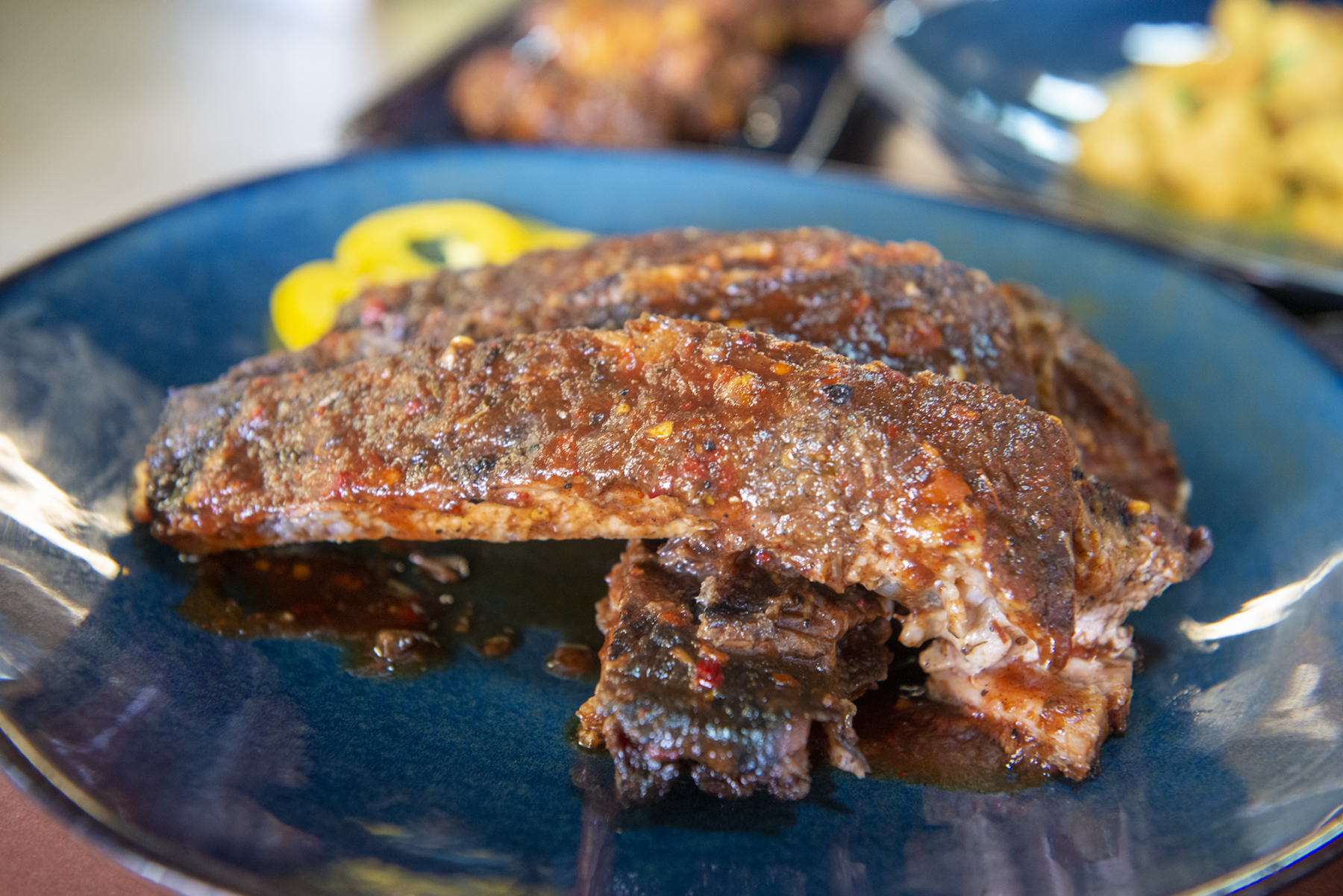
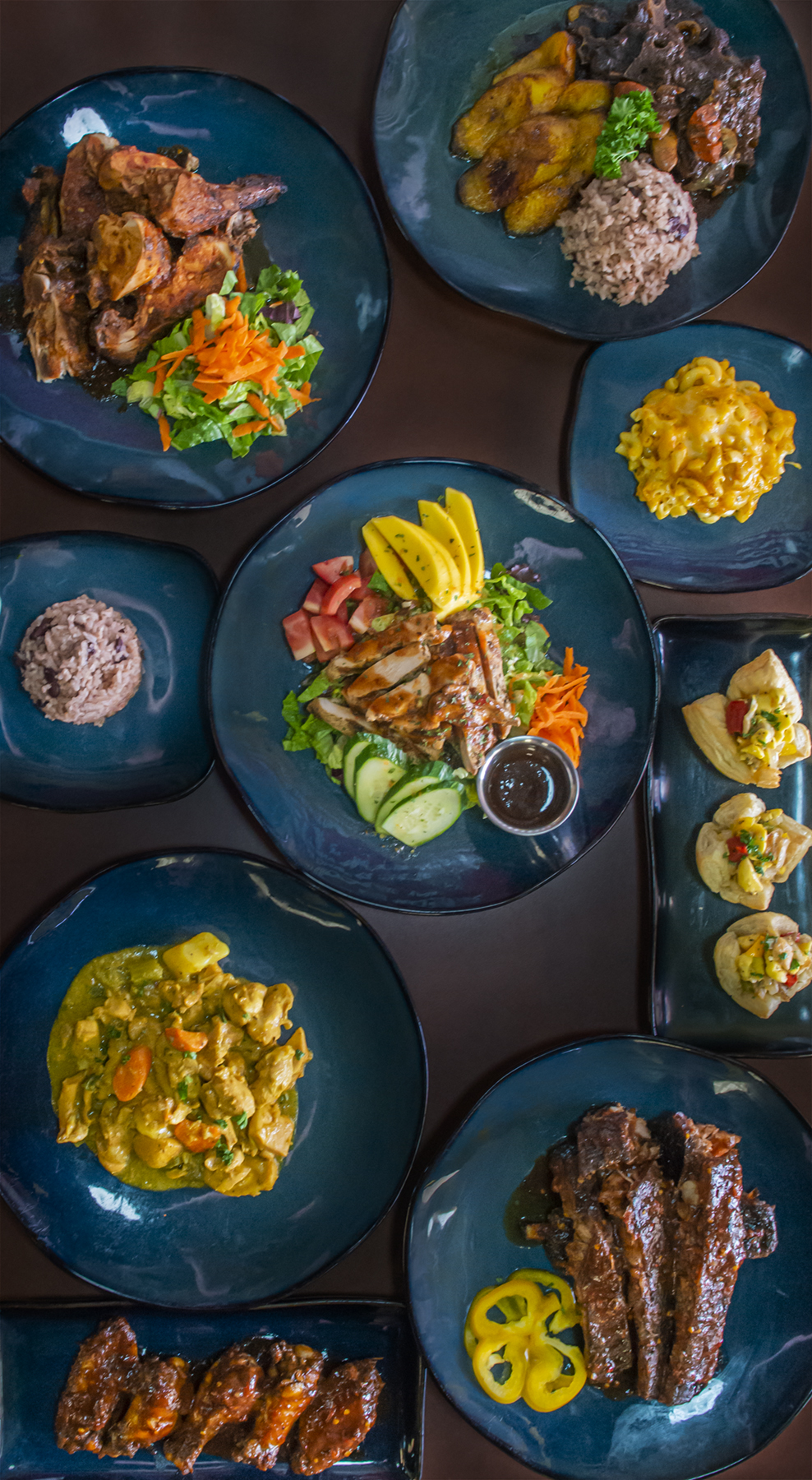

A centennial invites a certain kind of thinking. One hundred years is long enough for memory to turn selective, for recipes to travel farther than the people who first made them, and for a dish that began as necessity to become heritage. When people talk about a caribbean food centennial, whether they mean the hundredth year of a restaurant, a family business, a festival, a migration wave, or a culinary tradition finally being formally recognized, they are not just talking about food. They are talking about endurance.
That is what makes Caribbean food such a revealing way to study culture. It carries history in plain sight. You can taste conquest, forced labor, trade routes, faith, scarcity, ingenuity, pride, and improvisation, often in a single plate. Rice cooked in coconut milk tells one story. Saltfish tells another. Scotch bonnet, cassava, plantain, pigeon peas, tamarind, breadfruit, green seasoning, sorrel, all of them say something about movement, adaptation, and what communities chose to keep when so much else was under pressure.
A centennial sharpens those truths because it stretches the timeline beyond nostalgia. It asks harder questions. What lasted? What changed? Who got credit? Who was left out? Which recipes remained intact because they were sacred, and which evolved because cooks had no other choice?
A hundred years makes culture visible
Culture often disappears into routine. People stop noticing what they do every Sunday, every Christmas, every harvest season, every wake, every market day. It takes distance to make habit legible. That is why centennials matter. They force a pause.
When a food tradition reaches the hundred-year mark, or when a community marks a century of cooking in a new place, details that once seemed ordinary begin to look important. The way cassava is grated. The insistence on hand-ground spices instead of a blender. The specific leaf used to wrap a pudding. The argument over whether a proper pelau needs burnt sugar done to a dark edge or only a light caramel. These are not trivial preferences. They are acts of continuity.
In the Caribbean, continuity has never been simple. The region was shaped by Indigenous knowledge, European colonial systems, African survival and creativity under enslavement, Indian indentureship, Chinese migration, Syrian and Lebanese commercial networks, and later movement to Britain, Canada, the United States, and beyond. Food absorbed all of it. A centennial reminds us that what appears fixed was usually assembled under pressure.
That matters because too many conversations about culture still treat authenticity as if it were pure, untouched, and singular. Caribbean food resists that idea at every turn. It is authentic precisely because it is layered. It is not lesser because it changed. It changed because people lived.
The plate remembers what the archive forgets
Written records are uneven. Colonial documents tend to preserve the perspective of administrators, merchants, clergy, and landowners. Ordinary cooks, market women, fisherfolk, cane workers, domestic workers, and roadside vendors rarely show up with the detail they deserve. Yet they fed entire societies.
Food closes some of that gap.
You may not find a complete written account of how a grandmother in rural Jamaica stretched salted mackerel to feed eight children at the end of the week, or how a Trinidadian family adjusted a festival recipe after one branch migrated to Brooklyn in the 1920s, or how a Dominican household preserved a method for roasting root vegetables after fuel became expensive. But you can often see the evidence in the recipe itself. Why this cut of meat and not that one? Why preserve fish in salt? Why this combination of spices? Why does a celebratory dish require so much labor? The answers usually sit close to economics, land access, labor systems, and religion.
This is one of the deepest lessons of any caribbean food centennial. Food does not merely accompany history. It stores it. Sometimes more faithfully than official narratives do.
I have seen this most clearly in intergenerational kitchens, where memory is less linear than sensory. Ask someone for family history and you may get fragments. Ask what was cooked when an aunt returned from overseas, or what had to be on the table for Easter, Divali, Christmas, Carnival Tuesday, or a child’s christening, and the details become startlingly exact. Suddenly there is the right variety of yam, the color of the enamel bowl, the scent of allspice in hot oil, the rule that no one was allowed to stir at a certain stage. These details are not quaint. They are archival.
Caribbean cuisine is a master class in adaptation without surrender
The Caribbean is often romanticized as abundant, and in many ways it is. But abundance has always existed alongside instability. Hurricanes, drought, price swings, shipping delays, monocrop economies, import dependence, tourism pressure, and unequal land ownership all shaped what people could cook and when. If you want to understand culture honestly, you have to account for constraints, not just celebrations.
That is why Caribbean cooking offers such a sophisticated lesson in adaptation. Not adaptation as branding language, but adaptation as a survival skill.
A cook who substitutes one tuber for another because the market price spiked is not abandoning tradition. A family that uses powdered milk for a dessert after fresh dairy becomes scarce is not diluting culture. A diaspora household that swaps a hard-to-find local herb for something close, while preserving the method and intent of the dish, is doing what Caribbean people have done for generations. The cuisine has always been responsive.
Still, adaptation has limits. Anyone who cooks these foods seriously knows there is a threshold beyond which substitution changes the dish’s character. Coconut milk from a carton can carry a weekday stew well enough, but there are preparations where fresh coconut changes the texture, aroma, and finish in a way no packaged version can match. Factory ground spice can save time, but certain masalas, curry blends, or green seasonings lose their brightness fast. Bread baked on a large industrial scale may resemble the original by ingredient list, yet miss the chew, crust, and fermentation note that mattered to the community.
This is where judgment matters. A centennial teaches that culture survives through flexibility, but it also survives through standards. Not rigid purity tests, but a shared understanding of what is essential. Method often matters more than marketing. Context often matters more than presentation.
Every Caribbean table is also a migration map
Spend enough time with Caribbean food and the neat national labels begin to loosen. Dishes belong to islands, yes, but they also belong to routes. A technique appears in one territory and reemerges in another with a different starch. A spice profile shifts as people move. One festival sweet crosses a sea and picks up a new name. Salt cod, introduced through Atlantic trade, becomes local in several places at once. Curry travels, then settles so deeply that younger generations mistake it for native to the landscape itself.
The centennial frame is useful here because one hundred years is often enough time for a migrant food to feel ancestral. That can create tension. People argue over who owns a dish, which version is original, whose grandmother did it right. These arguments are rarely just about flavor. They are about legitimacy and belonging.
There is a practical side to this too. In diaspora neighborhoods, food businesses often become unofficial cultural institutions long before museums or universities pay attention. A bakery, rum shop, roti shop, lunch counter, or Sunday market stall can preserve vocabulary, ritual, and social ties across decades. The menu becomes a record of migration pressures. Early offerings may be stripped down because ingredients were unavailable. Over time, supply chains improve, incomes change, and the menu expands. What began as memory food becomes mainstream enough to attract outsiders. That shift can be good for business, but it can also flatten complexity if owners feel pushed to simplify spice, sweetness, texture, or portioning for broader appeal.
One of the most instructive features of a caribbean food centennial is this constant negotiation between welcome and dilution. Communities want to share. They also want to be understood on their own terms.
Celebration foods tell the truth about values
Weeknight cooking reveals resourcefulness. Feast cooking reveals hierarchy, aspiration, and communal ethics.
Look closely at what Caribbean communities cook for major occasions and you learn what the group considers worthy of effort. Dishes tied to Christmas, Eid, Divali, Easter, Carnival, crop-over, wakes, weddings, or family reunions often demand more time than any efficient modern cook would recommend. Meat is marinated overnight. Dough is rested. Leaves are washed and tied. Coconut is grated. Syrups are monitored by eye. Cakes are soaked and turned. Fire is managed, not merely switched on.
The labor is the point.
A culture reveals itself through what it agrees is worth the trouble. Centennials make that visible because they expose which labor-heavy foods people refused to surrender even after work schedules changed and convenience products arrived. Some things stayed because they tasted better, obviously. But many stayed because making them reaffirmed social order. Elders taught. Children watched. Cousins were assigned repetitive tasks. Neighbors dropped by. Stories resurfaced. Grievances softened. The food structured time and relationships.
There is no need to sentimentalize this. These gatherings can be exhausting. Gendered labor can become unfair fast. The pressure to perform hospitality can strain already tight budgets. Young people sometimes experience tradition as obligation before they learn to appreciate it as inheritance. Those are real tensions. Yet they are part of the lesson too. Culture is not a static treasure chest. It is a set of repeated decisions about where to spend energy.
The Caribbean teaches that fusion is not a trend
One of the stranger habits of contemporary food media is treating cross-cultural cooking as a novelty when Caribbean cuisines have practiced it for centuries. The region’s food systems were hybrid long before the word fusion became fashionable in urban restaurants.
What makes Caribbean blending distinct is that it was not usually driven by chefs seeking creative signatures. It was driven by coexistence under unequal conditions. Ingredients, tools, labor practices, sacred restrictions, and taste preferences met in plantations, ports, roadside markets, kitchens, cane fields, fishing villages, and urban tenements. That is a harsher origin story than most glossy menu descriptions admit.
This matters because cultural exchange is often spoken about as if it were automatically harmonious. Caribbean food teaches a more serious lesson. Exchange can produce beauty and also reflect domination. A celebratory dish may carry the marks of survival under coercion. A beloved sweet may depend on sugar economies built on extraordinary violence. A national staple may be inseparable from imported goods that reshaped local agriculture.
A centennial perspective does not make those contradictions disappear. It sharpens them. It lets us see both the brilliance of what communities created and the systems they were forced to navigate.
What gets preserved, and what gets polished for outsiders
Once a cuisine becomes visible to tourism boards, cookbook publishers, social media creators, and luxury hospitality groups, another shift begins. Some foods get elevated as emblematic. Others remain local, unfashionable, or even stigmatized. That split tells us a great deal about power.
Dishes that are easy to photograph, easy to explain, and easy to reproduce at scale tend to travel well. Foods with difficult textures, bitter notes, long prep times, offal, fermentation funk, or strong spice can be sidelined. Over time, the public story of a cuisine starts narrowing around a few recognizable icons. The private story remains much broader.
You can see this in many culinary traditions, but it is especially visible in the Caribbean because the region is so frequently marketed through pleasure. Beaches, rum punches, grilled seafood, bright fruit, carnival color. Those are real parts of life, but they are not the whole table. The humble dishes matter just as much, perhaps more. Pepper pot, ground provisions, soups thick with root vegetables, rough cakes, preserved fish, one-pot rice dishes, porridges, market snacks, funeral food, fasting food, food for illness, food for babies, food for field workers. These are not supporting characters. They are cultural anchors.
When centennials are marked publicly, there is often a temptation to polish the story. Menus get cleaner. Histories get shorter. Conflict gets blurred. Yet the most valuable commemorations do the opposite. They make room for complexity. They acknowledge that some of the most important foods were born in poverty, under rationing, during migration, or in households where women cooked for hours without formal recognition.
Lessons the centennial puts in plain language
A hundred-year lens does not only deepen appreciation. It clarifies what culture actually requires if it is going to survive.
- It needs repetition. A recipe cooked once for performance is not the same as a recipe cooked year after year.
- It needs transmission. If no one learns the method, the ingredient list alone will not save the dish.
- It needs room to adapt. Absolute rigidity breaks traditions as surely as neglect does.
- It needs material support. Pride cannot compensate forever for disappearing farmland, rising import costs, or unaffordable market access.
- It needs honesty. Heritage becomes flimsy when it erases labor, conflict, or unequal power.
Those points sound simple, but they are practical. I have watched families lose recipes not because anyone stopped caring, but because no one measured, no one documented, and no one had time to stand beside the elder who cooked by feel. I have also watched traditions survive through imperfect means, voice notes, WhatsApp photos of pot stages, substitutions scribbled in the margins, cousins arguing over whether the batter looked right. That too is heritage. Not pristine, but alive.
Culture lives in the hand, not only in the recipe
Professional kitchens love standardization. Home kitchens often resist it, and for good reason. Many Caribbean foods are taught through texture, scent, and sound long before they are taught through exact measurement. The onion must sweat but not brown. The sugar must darken without burning. The dough must feel soft enough to rise but firm enough to shape. The plantain must be at that exact stage between green and yellow. The fish is done when the oil speaks differently.
This can frustrate younger cooks, especially those learning at a distance. But it also reveals something important about culture. Not everything valuable can be fully converted into text. A centennial celebration, if it is done well, should not only preserve recipes. It should preserve techniques, gestures, timing, and judgment.
That is one reason food demonstrations, oral histories, family cookbooks with annotations, and community archives matter so much. They capture more than ingredients. They preserve interpretation.
What the Caribbean offers the wider world
The larger lesson here reaches beyond regional cuisine. Caribbean food shows that culture is strongest when it can carry contradiction. It can be local and diasporic, sacred and improvised, celebratory and born from hardship, deeply rooted and constantly changing. A centennial does not freeze that movement. It proves that movement was the tradition all along.
There is also a lesson in humility. Many societies like to imagine culture as a possession, something pure to defend from contamination. Caribbean culinary history points elsewhere. It suggests that culture can be porous without becoming empty, and adaptive without losing its spine. It also insists that borrowing is never innocent caribbean food centennial if you ignore who paid the price for the conditions under which that borrowing happened.
For cooks, writers, historians, and anyone who cares about heritage, the challenge is to pay attention to the full texture of these foods. Not just the flavors that travel easily, but the labor that made them possible. Not just the dishes that fit a celebratory brochure, but the ones that carried families through lean periods. Not just the polished stories of national pride, but the messy, human, beautiful evidence of survival.
If a caribbean food centennial teaches anything worth keeping, it is this: culture does not endure because it is preserved behind glass. It endures because people keep making it, arguing over it, feeding it to children, carrying it across borders, adjusting it under pressure, and insisting that memory belongs at the table. That kind of continuity is not accidental. It is work. And in the Caribbean, few things show that more clearly than food.
Reggae Pot Jamaican Grill
Address: 7562 S University Blvd Unit C, Centennial, CO 80122
Phone: (303) 997-5623
FAQ About caribbean food centennial
What Jamaican dishes can I try in Centennial?
Reggae Pot Jamaican Grill serves Jamaican specialties such as jerk chicken, stewed oxtail, curry goat, and ackee and saltfish. Check the current menu for availability.
What is ackee and saltfish?
It is Jamaica’s national dish. The restaurant prepares ackee with salted cod, onions, thyme, tomatoes, garlic, black pepper, and pimento.
Can I order Jamaican food for pickup in Centennial?
Yes. Choose the Centennial location at 7562 S University Blvd Unit C when placing a takeout order.